
Stargazing is a seriously fun way to experience the night sky, and you don’t need much to get started. Even if skywatching has never been your thing, slowing down and checking out constellations and planets can be extremely soothing—plus, it’s surprising how much you can see with just your eyes. If you’re curious about giving this relaxing hobby a try, I’ve put together this all-in-one guide to make your first stargazing nights less overwhelming and a lot more enjoyable.
What You Need for Your First Stargazing Night
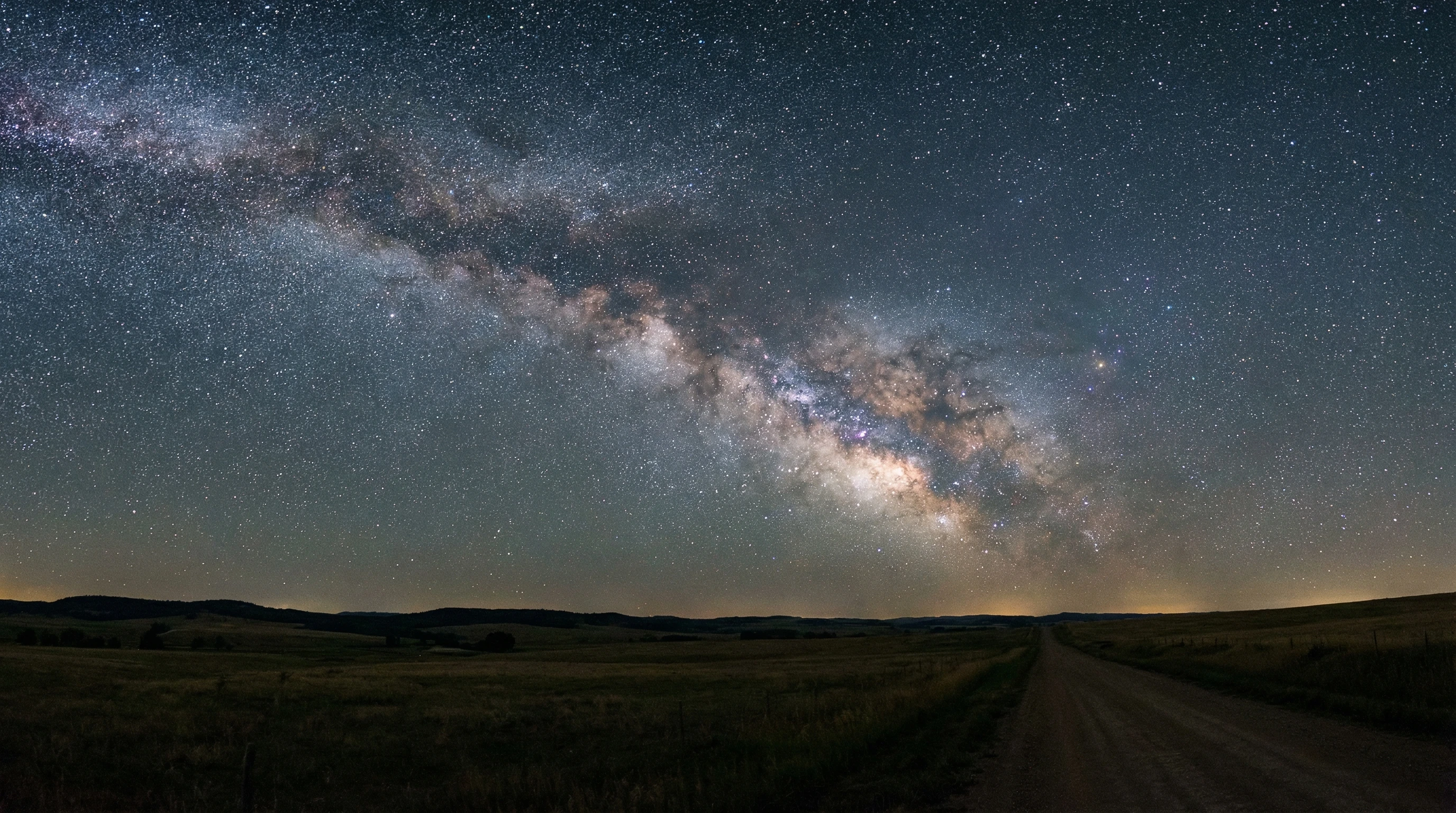
To begin stargazing, fancy gadgets aren’t required. What truly matters is having clear weather and a spot away from the glaring lights of the city. Artificial lights make it tough to spot the faintest stars and features, so finding a darker stretch—even a local park outside the city—lets you see more. Don’t forget to tell someone where you’re headed and roughly when you plan to return. Safety should always be a priority for any night adventure.
Have binoculars? Bring them—they’re perfect for spotting details beyond the reach of your regular vision. A comfy blanket or reclining chair is a back-saver, especially for longer sessions. Red flashlights are lifesavers for reading star maps or notes without ruining your night vision. And if you’d like, bring extra snacks or a thermos of something warm for that extra bit of comfort.
Understanding the Night Sky: The Basics
The night sky is always changing. Seasonal shifts mean winter and summer skies look very different. The brightest stars form patterns known as constellations—a few famous ones to spot first are Orion, the Big Dipper, and Cassiopeia. They’re easy to start with and a real confidence booster for beginners.
Planets move on their own paths across the sky and often stand out because they shine steadily instead of twinkling like stars. Venus and Jupiter are two of the best to track down, and both are noticeably bright. The Moon is always a showstopper; its phases and surface features change from night to night. Even simple binoculars will give you a closer look at craters and mountain ranges on the Moon’s surface.
Sky maps and free mobile apps are a huge help for picking out what’s above. You can use apps like Stellarium, Sky Map, and Star Walk to point your phone at the sky and instantly get the rundown on constellations and visible planets. These apps do a great job guiding your gaze, especially if it’s cloudy or you’re still getting to know the sky.
Getting Started: How to Prepare for an Evening Under the Stars
A great location is key to a successful night. Far from traffic, away from streetlights, out in a quiet field or park—these places let you get the most from your stargazing adventure. Layers are your friend, since temperatures can drop quickly after sunset, and throwing in some snacks and bug spray can really smooth the way.
- Check the weather: Clouds will cover stars and instantly spoil plans, so clear skies are ideal. Double-check weather apps before heading out.
- Wait for darkness: The darker the sky, the more you’ll see. After sunset, give it an hour for the best visibility.
- Pack a star chart or stargazing app: These help you spot what’s overhead based on your location and time of year, making the sky feel much more familiar.
- Scan your surroundings: Look out for trip hazards like rocks or ditches. Safety comes first.
Packing for the temperature and warding off bugs are small but crucial steps for an unbothered night. Toss in those extra socks or bug spray so you can focus on the stars, not discomfort.
Common Challenges New Stargazers Run Into
Like any outdoor adventure, there are a few common hurdles that might pop up for beginners. Knowing what to expect makes these bumps easier to handle.
- Light Pollution: Bright city lights can drown out many stars. Getting out of the city, even just a few miles, will make a world of difference. Check out online tools like Light Pollution Map to track down nearby dark spots.
- Cloud Cover: Overcast or even partly cloudy skies are trouble for stargazers. Apps such as Clear Outside offer forecasts focused on sky conditions hour-by-hour, so you know what to expect before you set off.
- Staying Warm and Comfortable: Stargazing can lose its charm fast if you’re shivering or swatting at insects. Prepare for the worst, and you’ll have more fun.
- Identifying Objects: If the sky seems overwhelming, rely on star maps or astronomy apps to point you in the right direction. Start slow by looking for one big, familiar shape, then branch out from there.
Light Pollution
Getting even a little way out of town helps a ton. Rural parks, lakeshores, or even a friend’s backyard in the country are worth checking for a truly dark sky. The fewer artificial lights, the more cosmic wonders you’ll spot.
Clouds and Weather
Ideal stargazing only happens on clear nights. Pay attention to sky-specific forecasts—not just regular weather reports. Some astronomy apps break down how many clouds will be in the sky at exactly the hour you plan to watch.
Reading the Sky
Finding constellations for the first time can be tricky, but it does get easier with practice. If you can locate one well-known shape, like Orion or the Big Dipper, that acts as a map for finding others nearby. Apps or star charts make picking them out less confusing, especially when you’re first learning the ropes.
Comfort
Being comfortable means you’ll spend more time outside without distraction. I always bring a pillow, a reclining chair, and wool socks for cold nights—it makes the whole experience last longer and keeps your attention on the sky instead of your stiff neck or numb toes.
Tips That’ll Make Stargazing Better
Once you’ve got the basics down, there are a few tweaks you can try to level up your stargazing experience.
Protect Your Night Vision: Give your eyes time to get used to the dark, and use red flashlights or apps with night mode, so your vision stays sharp for spotting faint stars or nebulae.
Use Binoculars for a Closer Look: Before you spend money on telescopes, binoculars are a fantastic starting point. Things like the Moon’s craters, Saturn’s rings, or deep-sky clusters jump out with even basic binoculars.
Log Your Observations: Jotting down details from each session helps you spot patterns, remember special nights, and track your progress as you become more familiar with the sky.
Meet Fellow Stargazers: Many towns have local astronomy clubs that host regular group nights. It’s an easy way to try out more advanced equipment, ask questions, and share the fun with others. Often, you’ll even get to peek through high-powered telescopes and learn to recognize more objects quickly.
Plan for Meteor Showers: Meteor showers are some of the most eye-catching events for stargazers. Check annual astronomy calendars and mark the key shower dates so you don’t miss them. All you need to enjoy a show is your own eyes and patience under a dark sky.
Stargazing Equipment: What about Telescopes?
If you fall in love with stargazing and want to get a closer look, telescopes are the next step. Still, most beginners get more out of simple binoculars and by learning the sky first. When you do look into telescopes, pick one that’s portable so you actually feel like using it, and make sure setup isn’t complicated. Choosing the right equipment can be the difference between letting it rip every clear night and your gear gathering dust in the closet.
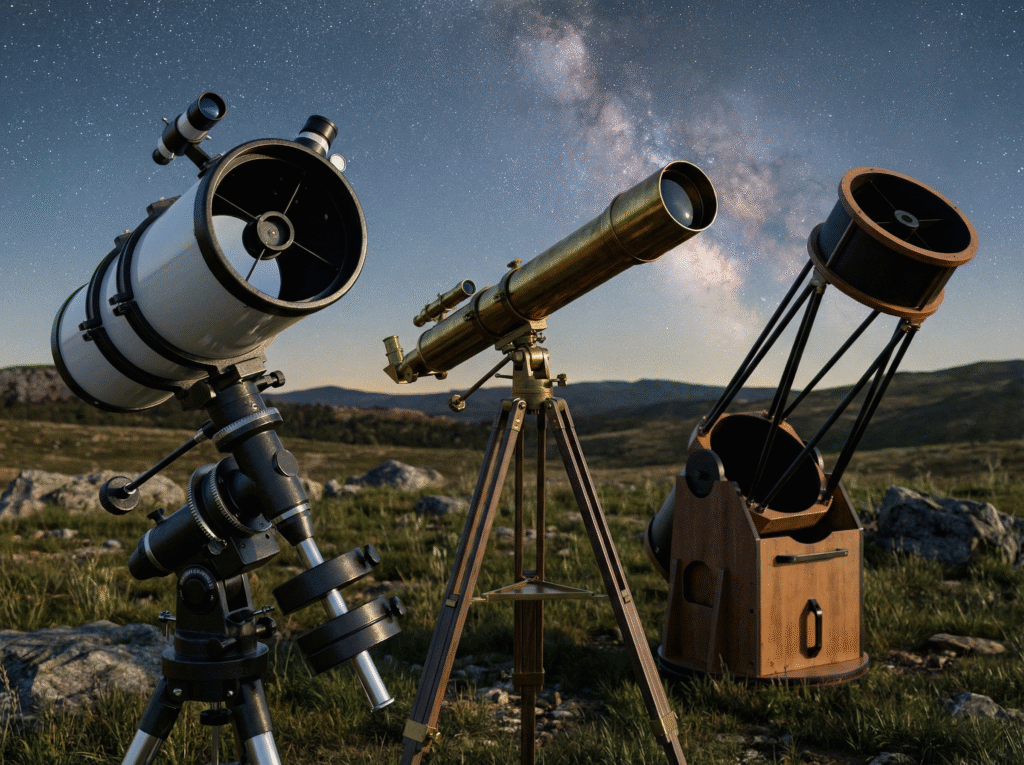
- Binoculars: Portable, wide view, perfect for scanning star clusters and craters.
- Telescopes: More detail for faint objects and planets, but can involve more setup time and care.
- Apps: Crucial for knowing what’s visible, tracking planets, and marking out events on your calendar.
I started with a tabletop Dobsonian telescope—easy to handle, simple to set up, and it showed me bright planets and the Moon’s features with impressive clarity. The key is picking something that fits how you want to stargaze.
Frequently Asked Questions
Question: How do I find the best place to stargaze near me?
Answer: Check public parks, nature reserves, or rural areas outside city lights. Use online light pollution maps to spot your darkest local skies. And always share your plans with someone before heading out at night.
Question: Do I need any special knowledge to get started?
Answer: Not at all! If you can pick out one or two constellations, or just bring an app to help, you’re set for a great first night of stargazing.
Question: Is it safe to stargaze alone?
Answer: Choose a safe spot, come prepared, and let someone know your location and plans—even if the stargazing location feels familiar, it’s better to play it safe than risk getting lost or stuck.
Wrapping Up Your Stargazing Adventure
Spending time under the stars is a super detailed, endlessly rewarding hobby that’s open to everyone. All you need is curiosity, your eyes, and maybe a map or app to help point the way. Go at your own pace, try out different tools, and enjoy the process of slowly getting to know the night sky. With a bit of practice and patience, the universe will start to look friendlier, and you’ll probably surprise yourself by how much you notice—even from your own backyard.
So grab a cozy blanket, wait for a clear night, and make your way outside for your first stargazing session. There’s an entire sky out there just waiting for you to track down its wonders.
This is such a friendly and encouraging guide! I love that you emphasise how little you need to get started — just clear skies, a quiet spot away from city lights, and maybe even a comfy blanket. The tips about using binoculars first, giving your eyes time to adjust to darkness, and using red light instead of a regular flashlight make stargazing feel really accessible. I also appreciate the practical advice about packing warm clothes, checking the weather, and watching out for trip hazards. Do you have a favourite constellation or planet to show new stargazers — and if so, why that one?
Thanks Hanna for your comments. It depends on the time of year as to which constellation to show to people. I usually show people Orion. It has so many pointers to other constellations that makes it a great constellation to use to start learning the night sky. I also use the Great Bear, which is a circumpolar constellation. The constellation has a famous asterism called the Plough, or the big dipper or Charles Wain, depending on where you live. This asterism can point you to Polaris, the pole star and other constellations. My favourite planet is Saturn, especially when the rings are open.