
The universe of galaxies is both mind-blowing and inviting. Whether I’m staring up at the night sky or flipping through breathtaking space photos, the sheer variety and scale of galaxies out there never gets old. If you find yourself curious about the vastness beyond our solar system, you’re not alone. I want to help break down what makes galaxies such a big deal, what kinds are out there, and how we study them from Earth. Consider this a guided tour through a universe packed with galaxies, meant to get you just as fascinated as I am about everything beyond our world.
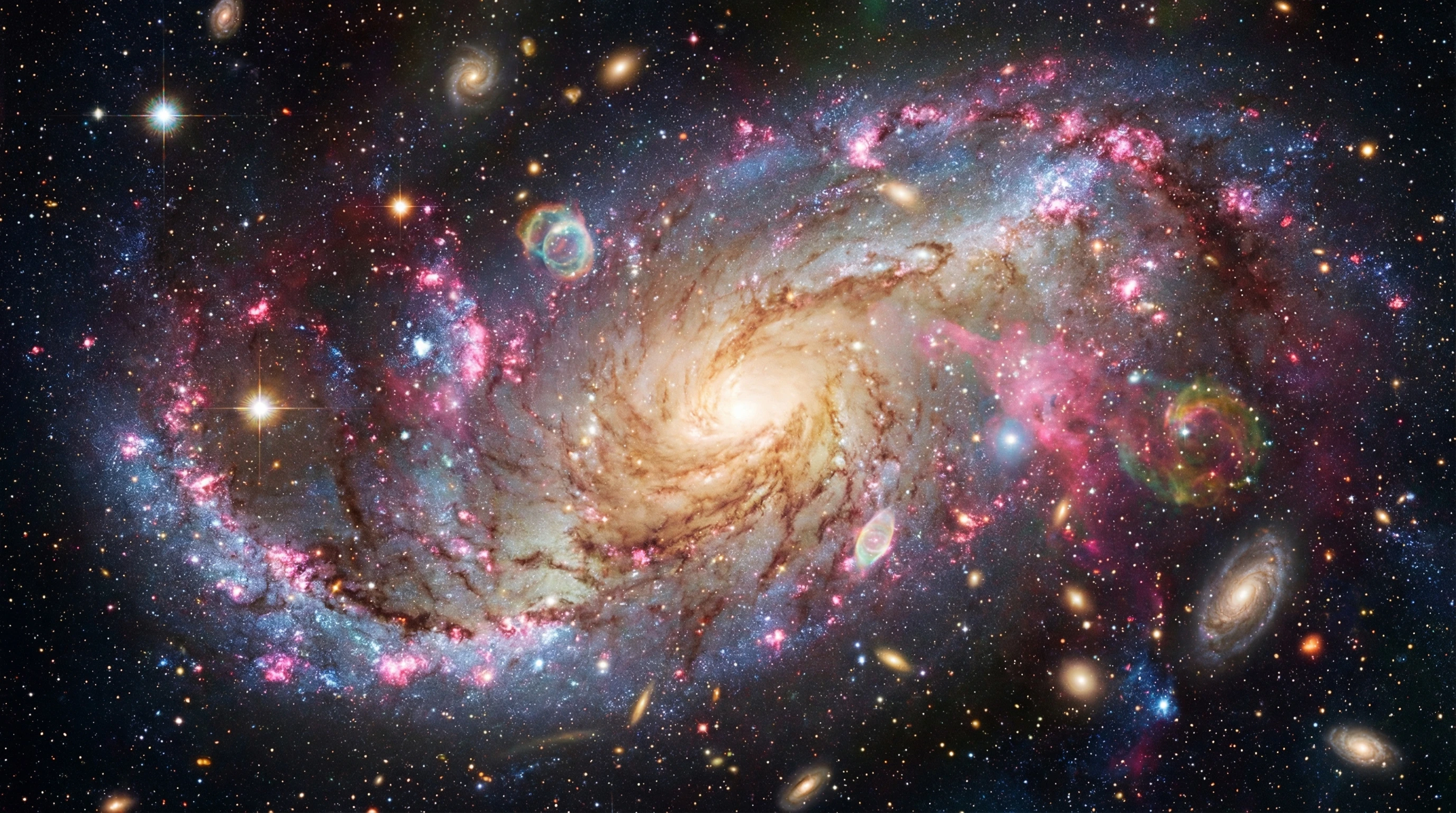
A Glimpse at What a Galaxy Actually Is
Galaxies are huge systems made up of stars, dust, gas, and dark matter, all held together by gravity. When I first learned that our own solar system is just a speck inside a single galaxy—the Milky Way—that really put things in perspective. Galaxies can have hundreds of billions of stars, and no two look exactly the same. They vary in size, shape, color, and what’s going on inside them.
The Milky Way is only one of billions, maybe even trillions, of galaxies scattered across the universe. The most distant galaxies seen by telescopes are so far that their light has traveled for billions of years to reach us. That means when we spot a faraway galaxy, we’re really looking deep into the past. In a way, it’s a cosmic time machine right at our fingertips, showing us moments from the universe’s earliest days.
Types of Galaxies: The Big Four to Know
Galaxies aren’t all spiral shapes with long, swirling arms. The classic look of the Milky Way doesn’t tell the whole story. I usually run into four main categories:
- Spiral Galaxies: These are the ones most people picture first. They have spinning disks, bright central bulges, and arms full of young stars. The Milky Way and Andromeda belong to this group.
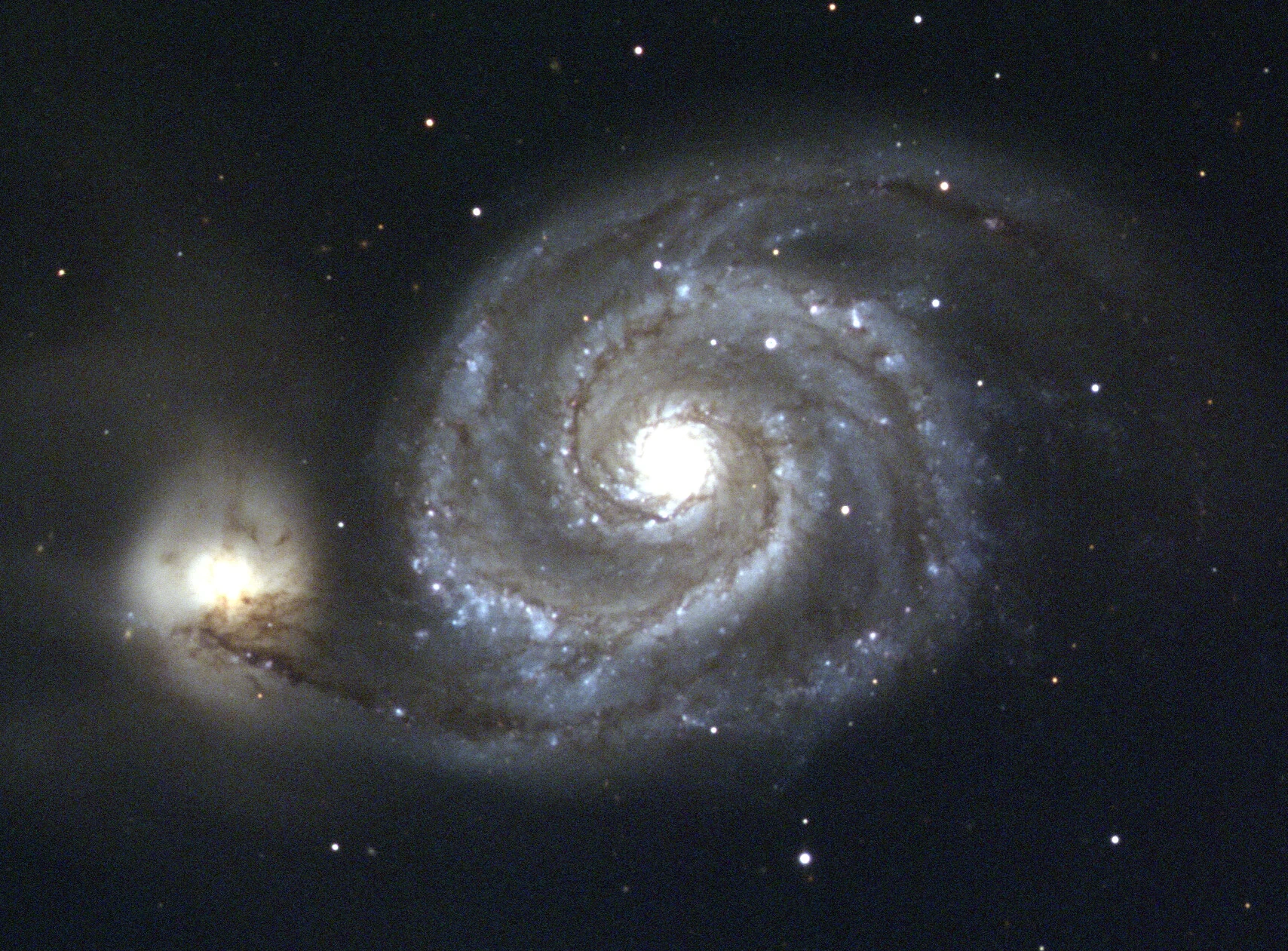 An example of a Spiral Galaxy. M51 in the constellation Canes Venatici.
- Elliptical Galaxies: Instead of tidy arms, these look like huge, football shaped blobs. Their stars are older, and they aren’t making many new ones anymore. Some of the largest galaxies in the universe are ellipticals.
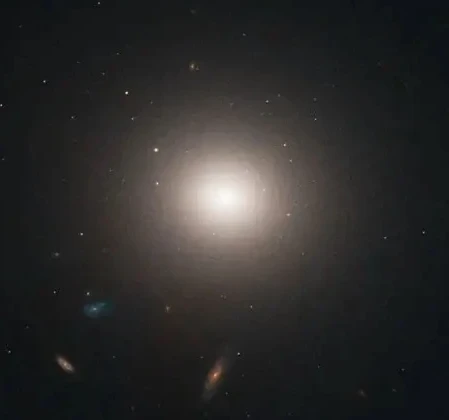 An example of an Elliptical Galaxy, NGC (New General Catalogue) 4458. Note other galaxies in the picture.
- Lenticular Galaxies: These look kind of like a cross between spirals and ellipticals. They have a thin disk but no spiral arms. They’re a bridge between old and new galaxies.
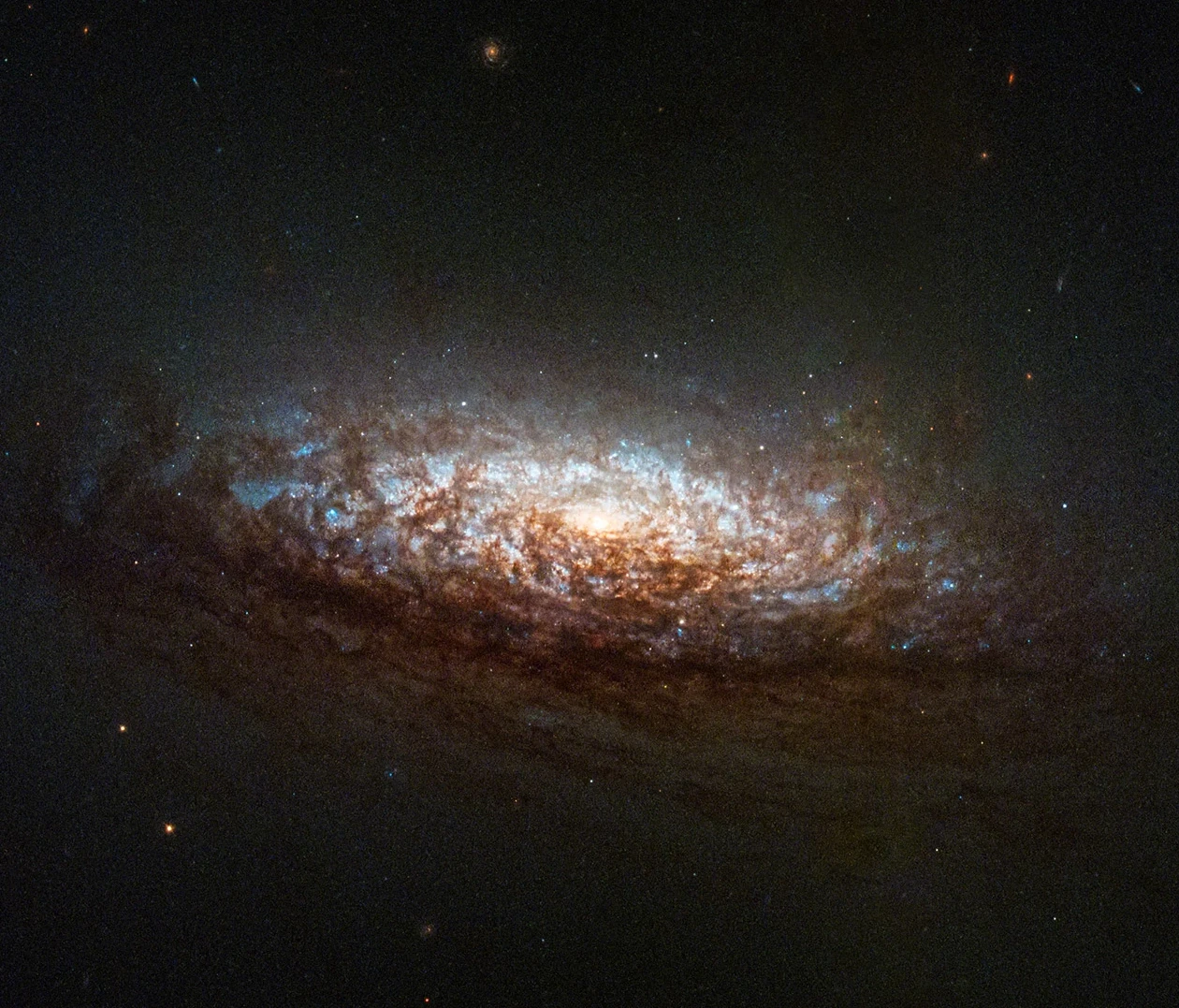 Lenticular Galaxy NGC 1546
- Irregular Galaxies: These don’t have a clear shape. Imagine a cosmic paint splash. Tidal forces or past collisions often give them their odd looks. The Magellanic Clouds are eye-catching examples. Our Milky Way and the Andromeda Galaxy, M31, are due to pass close to one another in a few billion years causing the two galaxies to merge into a irregular galaxy.
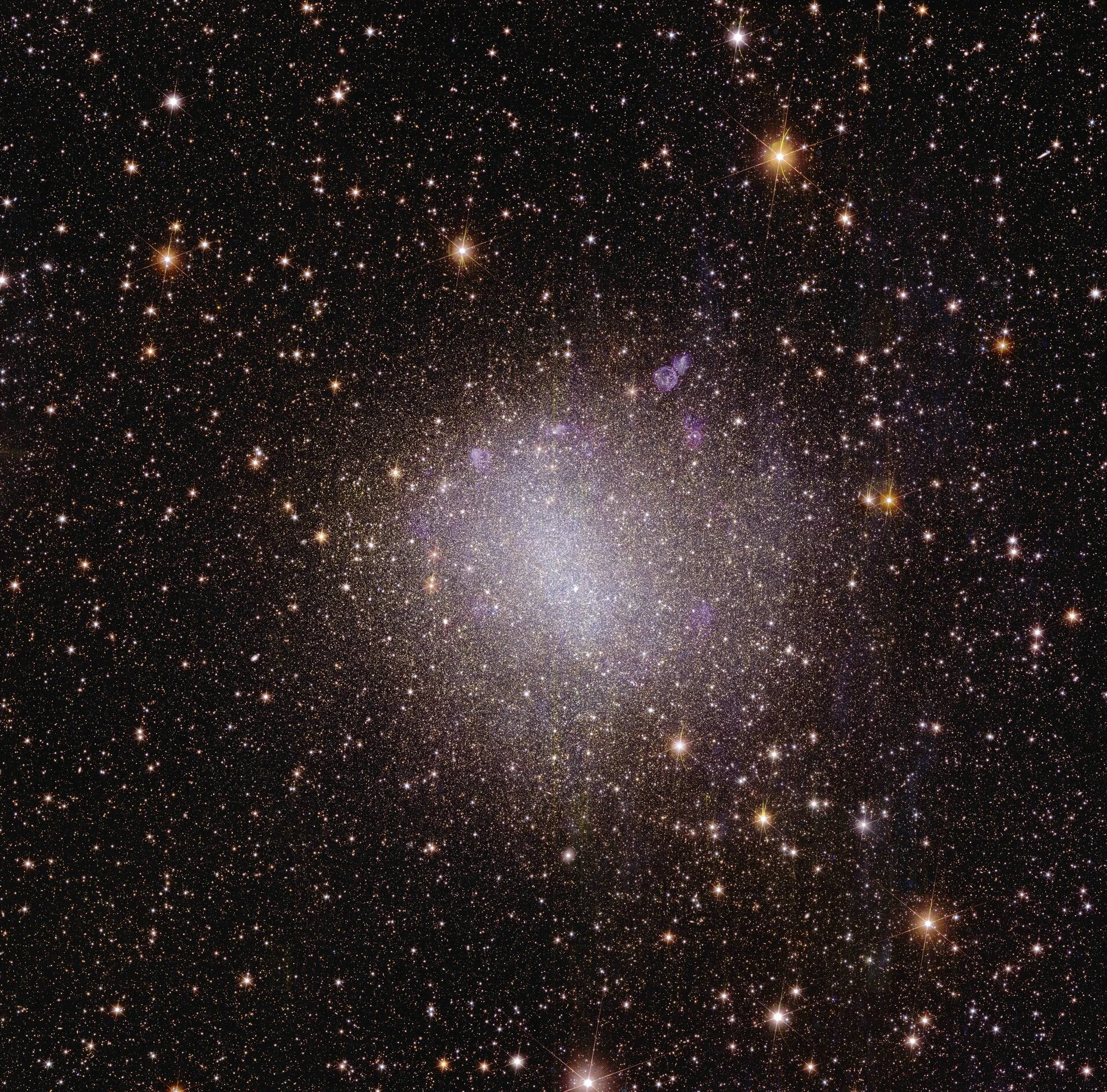 An example of an Irregular Galaxy. NGC 6822. (ESA)
- Barred-Spiral Galaxies : A Barred Spiral Galaxy has a central bar shaped structure made up of stars. Astronomers are now finding these types of Galaxy more common than once thought. According to scientific analysis and observations our own Milky Way is a barred spiral galaxy.
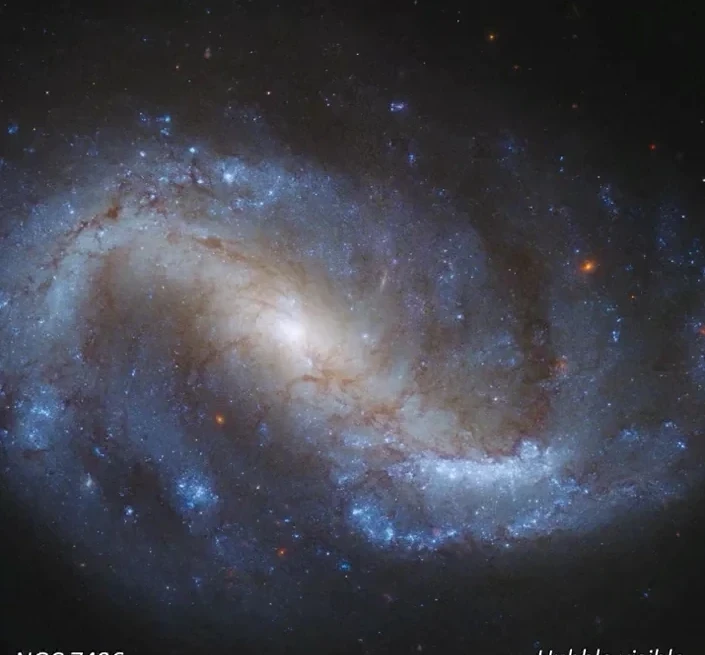 An example of a Barred Spiral Galaxy. NGC 7496. (Hubble)
There are also galaxies that don’t fit neatly in just one box. Space doesn’t always line up with our tidy labels. Over time, galaxies can even change type by colliding with others or using up all their gas, proving that the universe loves to mix things up.
Galaxies Through Time: How They Form and Change
Galaxies have wild life stories. The earliest galaxies formed about 13 billion years ago, not too long after the Big Bang. When I stop to think about it, almost every star I see in the sky is part of a galaxy that’s been changing for billions of years.
The process usually starts with clouds of hydrogen gas collapsing under gravity. Bits come together, stars ignite, and larger clumps start to form in what astronomers call “protogalaxies.” Over time, these early galaxies grew by merging with others, gobbling up stray gas, and even cannibalizing smaller galaxies. The universe was really active and messy back then.
Even now, galaxies keep switching things up. The Milky Way and Andromeda galaxy are expected to crash into each other in about 4 billion years. That showdown will likely create a brand new kind of galaxy, showing the cosmos is never done remixing itself.
What You’ll Find Inside a Galaxy
Every galaxy is a crowded place. It’s not just stars. When I break it down, a galaxy is made up of:
- Stars: New, old, massive, tiny, red, blue—you get it. Some galaxies are jammed with young, bright stars, while others are full of ancient, dimmer ones.
- Nebulae: These clouds of gas and dust are where new stars are born. In some galaxies, nebulae really stand out, glowing like cosmic beacons.
- Star Clusters: Groups of stars that formed right next to each other. There are small open clusters and huge, ancient globular clusters with hundreds of thousands of stars packed together.
- Dark Matter: This invisible material doesn’t emit light, but galaxies couldn’t hold together without it. It’s like hidden scaffolding making sure all those stars don’t drift apart.
- Supermassive Black Holes: Most large galaxies have a huge black hole in the middle. These can be millions or even billions of times the mass of our Sun. They have a major effect on how stars and gas move throughout the galaxy.
Plus, there’s the space between stars (the interstellar medium) and rare objects like neutron stars, pulsars, and even rogue planets. Every piece plays a role in a galaxy’s story, adding layers to the cosmic drama.
How Astronomers Study Galaxies from Here on Earth
Learning about galaxies is a pretty big job, since we can’t just zip on over to check one out up close. Astronomers use different tools to map and study galaxies. Some of the best known are:
- Telescopes: Giant optical telescopes on mountain tops (like Keck or the Very Large Telescope) capture light from distant galaxies.
- Space Telescopes: Hubble changed the game by getting above the blurring effects of Earth’s atmosphere. The new James Webb Space Telescope delivers incredibly detailed images, especially in infrared light.
- Radio Telescopes: These instruments “see” radio waves, letting astronomers track down super cold gas and mysterious things like quasars and pulsars within galaxies.
- Spectroscopy: By splitting galaxy light like a prism, astronomers can tell what elements the stars and gas are made of, how fast a galaxy is moving, and how far away it is.
Thanks to all these tools, we know that galaxies come in all shapes, sizes, and distances—yet we’re still only just getting started understanding them all.
Galactic Puzzles: Common Questions and Surprising Facts
You might wonder how many galaxies are really out there, or just how big they get. Here are some questions (and answers) I hear a lot from curious friends:
Q: How many galaxies exist in the universe?
A: Early estimates from Hubble suggested about 200 billion galaxies, but newer research using even more sensitive telescopes points closer to 2 trillion. Every tech breakthrough bumps the number higher.
Q: What’s the largest galaxy known to science?
A: IC 1101 is often seen as the heavyweight champion. It’s around 6 million lightyears across. For comparison, the Milky Way is “just” 100,000 lightyears wide. Giant elliptical galaxies like IC 1101 are true titans.
Q: Are all galaxies packed with stars?
A: Not at all. Some galaxies, called ultradiffuse galaxies, have very few stars but a lot of dark matter. Astronomers spot them by their weak starlight and the way they tug on objects nearby.
Q: Can galaxies exist alone?
A: Most galaxies hang out in groups or clusters, pulled together by gravity. The Local Group is our little corner in the universe, home to the Milky Way and about 50 neighbor galaxies. Then there are galaxy clusters and even bigger collections called superclusters, stretching across millions of lightyears.
Why Exploring the Universe of Galaxies Matters
Peeking into the world of galaxies is more than just a cool science exercise. Understanding galaxies helps us piece together the story of the entire universe, from the first star sparks to what might happen in the far, far future. The stuff we learn shapes everything from our sense of cosmic history to how we hunt for planets where life could exist.
What always amazes me is realizing just how lively and full of surprises the universe really is. Galaxy research is a reminder that there’s so much more waiting to be found, and curiosity can take us just about anywhere—as long as we have a good telescope and an urge to explore.
Getting Started with Galaxy Watching
You don’t need a spaceship to start jumping into galaxies. If you want to spot a few yourself, try grabbing a pair of binoculars and heading somewhere far from bright city lights. The Andromeda Galaxy, our cosmic next-door neighbor, can be seen with the naked eye from plenty of places in the Northern Hemisphere on a clear night. I love using smartphone stargazing apps to track what’s overhead. Local astronomy groups and planetariums are also friendly and make galaxywatching a shared adventure—you might even stumble upon tips for spotting new sights.
Frequently Asked Questions about Galaxies
Q: What galaxy is Earth in?
A: Everyone on Earth lives in the Milky Way galaxy, which is a barred spiral containing somewhere between 100 and 400 billion stars.
Q: Can two galaxies collide?
A: Absolutely. Actually, galaxy collisions are pretty routine over cosmic time. The Milky Way and Andromeda will merge far in the future. These events don’t usually cause stars to crash into each other, but they do spark huge bursts of star formation and can totally reshape galaxies.
Q: Why do astronomers look at distant galaxies?
A: Distant galaxies work like time capsules. The farther away they are, the older the universe was when their light started moving toward us. When astronomers study distant galaxies, they’re tracking down cosmic history itself.
Checking out the universe of galaxies shows there’s more to space than just stars and planets. Our own home is one among millions—and maybe trillions—of galaxies, each packed with its own story, quirks, and mysteries. With every new discovery, our place in the cosmos becomes a little more interesting and a whole lot more humbling.
Thank you for such a beautifully clear and inspiring article! I’ve always enjoyed looking up at the night sky, but your explanation of how galaxies vary in shape, size, and age really deepened my appreciation for just how vast and diverse the universe is. It’s amazing to think that what we see when we look up is just a small part of countless galaxies, and that some of the farthest ones we observe act like time machines, showing us what the universe looked like billions of years ago.
Your breakdown of different types of galaxies, from spirals like our Milky Way to irregular cosmic splashes, made me want to learn more about each type. With all the recent maps and discoveries revealing how galaxies and dark matter weave together the large-scale structure of the universe, it feels like we are living in an exciting era of cosmic exploration.
If you could zoom in on just one type of galaxy with a powerful telescope, which would you choose: a classic spiral, a giant elliptical, or an unusual irregular one? And why?
Hello Celia and thank you for your comments.
There exist pictures taken by Hubble and the James Webb Telescope that show hundreds of thousands of dots. Each one of these dots is a Galaxy in it’s own right.
What is also fascinating is that Galaxies are in groups and Clusters. Our Galaxy, along with the Andromeda Galaxy are two largest members of the local group of about 50 galaxies. All are connected by gravity and orbit each other. The centre of which is between our Galaxy and the Andromeda galaxy.
After that, groups are clustered into clusters of groups. Our group of Galaxies are connected to the Virgo Super Cluster.
Which one would I like to see? I would love to be in the centre of a Super Clusters and watch all the different types of galaxies.
Dave