Exploring the Moon has stirred curiosity and excitement for centuries, and it stands out as one of those topics that mixes history, science, and adventure all in one. Our closest neighbor in space has revealed eye-catching stories through its craters and seas, robotic probes, and dramatic landings. I’m going to share what makes the Moon such a fascinating place to study, from its notable features to the missions that have reached its surface, as well as a peek into what’s next for those ready to get involved in lunar exploration.
The Moon’s Main Craters and Lunar Seas
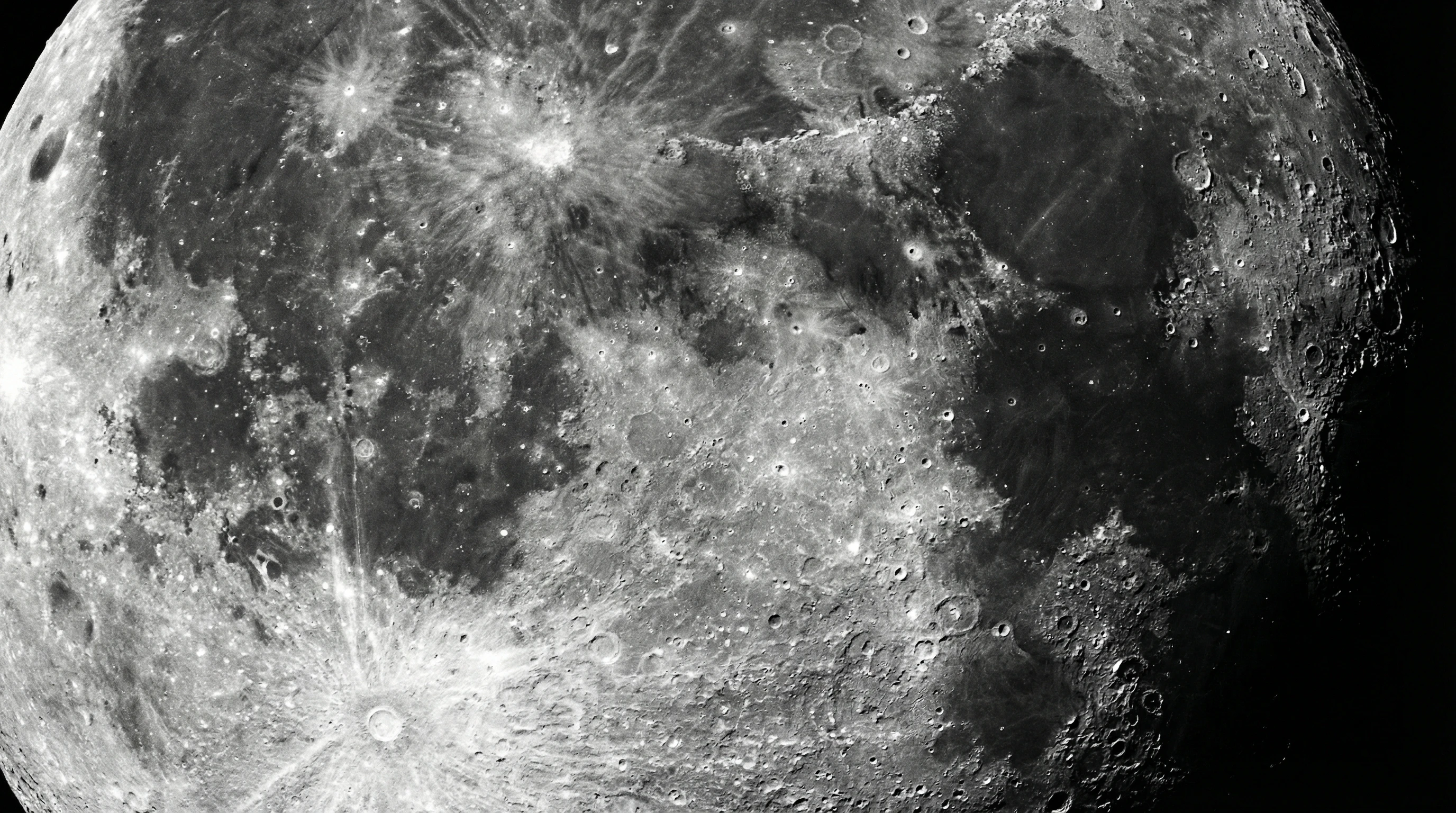
Whether you’re gazing through a backyard telescope or checking out detailed photos from lunar probes, the Moon’s face is loaded with details. Its surface is marked by massive craters and broad, dark plains called seas or “maria.” Many of these features date back billions of years. Digging into them can really help connect all the pieces of lunar exploration, laying out a clearer picture of the Moon’s wild past.
Famous Craters
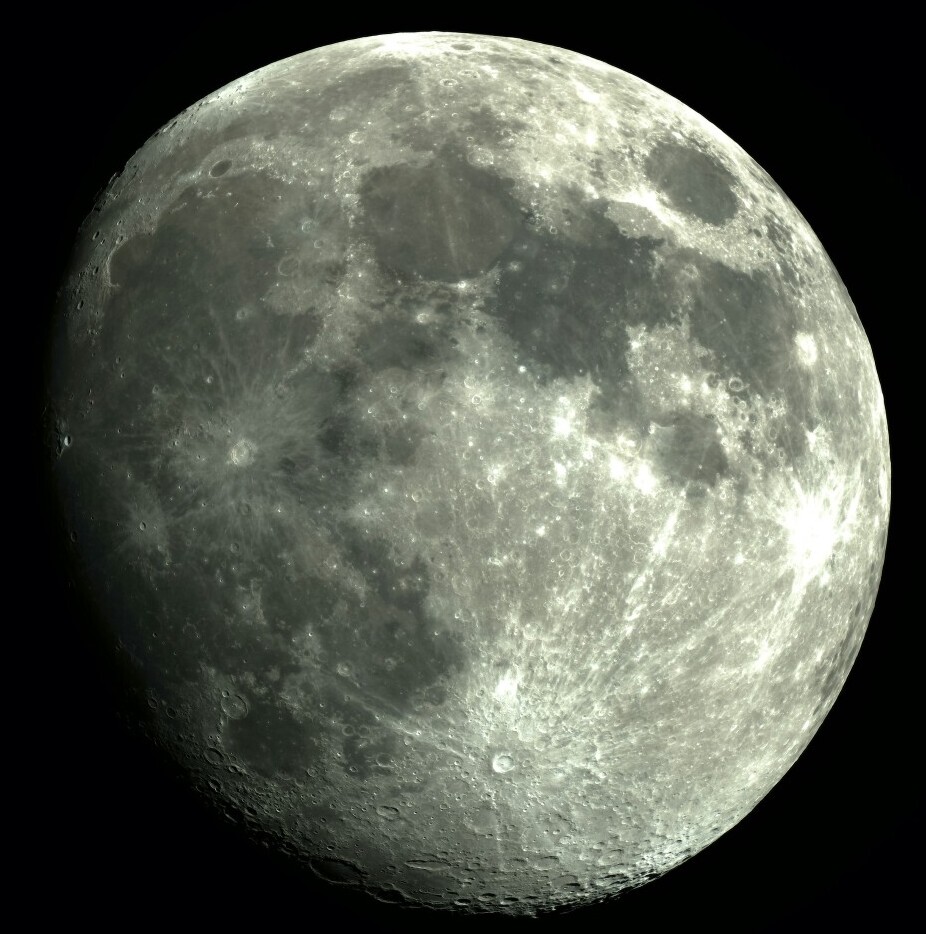 Crater Tycho is the bright crater in the bottom part of the picture.
- Tycho: Easy to spot, Tycho is a relatively young, bright crater with an impressive ray system stretching across much of the southern lunar highlands. Its rays look like striking white streaks on the lunar surface—a swirl of cosmic history.
- Copernicus: Positioned near the middle of the Moon, Copernicus is a sharp-edged crater recognized by its terraced walls and central peaks, pointing to a huge impact that helped shape the Moon’s face.
- Clavius: Among the biggest and oldest craters, Clavius has a signature curved chain of smaller craters inside it. It almost feels like a timeline etched onto the Moon, showing the scars of time and countless impacts.
- Mare Imbrium: While known as a “sea,” the impact basin that forms Mare Imbrium is framed by a ring of mountains (the Imbrium Basin) and filled with smaller craters, making it a hot spot for both skywatchers and scientists.
The Lunar Seas (Maria)
- Mare Tranquillitatis (Sea of Tranquility): Famous as the Apollo 11 landing site, this wide, level basalt plain got its name centuries ago. It’s legendary for being the spot where Neil Armstrong and Buzz Aldrin first set foot on the Moon.
- Mare Serenitatis (Sea of Serenity): Nestled just north of the Sea of Tranquility, this maria is ringed by highlands and is often noted for its subtle, slightly different shade compared to its neighbors.
- Mare Crisium (Sea of Crises): This circular, isolated sea catches the eye from Earth. At about 540 kilometers across, it stands apart for its distinct shape and unique geological history.
- Mare Imbrium (Sea of Showers): Stretching out over a huge region, Mare Imbrium formed after a staggering impact and soon filled with ancient lava. Some of the tallest lunar mountains rim this basin, tossing long shadows when the Moon is half lit.
The names of the maria go back to the days when people thought the dark spots resembled seas. In reality, they’re ancient basalt plains—awesome reminders of a time when the Moon was shaking with volcanic activity.
Main Probes Sent to Explore the Moon
Before humans took that giant leap, robotic missions set the stage for everything we know about the Moon’s enigmatic features. These brave probes helped map out the lunar surface and answered a long list of burning questions.
Luna Program (Soviet Union)
The Soviet Union deserves a shoutout for chalking up some major firsts. In 1959, Luna 2 became the first spacecraft to crash onto the Moon’s surface, securing humanity’s debut there. Later that year, Luna 3 sent back the very first images ever of the Moon’s hidden far side. The Luna series continued to rack up milestones: Luna 9 (1966) was the first to achieve a gentle, or soft, landing and sent back the earliest surface photos. These missions even managed to scoop up lunar soil and return it to Earth—all without astronauts.
Ranger, Surveyor, and Lunar Orbiter (United States)
NASA’s Ranger probes (1961–1965) took close-up pictures right before they crashed, giving scientists invaluable images for later missions. Soon after, the Surveyor series (1966–1968) made soft landings, offering vital tests for human and robotic touch-downs. The Lunar Orbiter missions (1966–1967) produced detailed maps and hunted for the best possible landing sites for the Apollo astronauts, making it easy to navigate later manned landings.
Modern Robotic Missions
The last couple of decades have brought lots of fresh eyes to the Moon. NASA’s Lunar Reconnaissance Orbiter (LRO) has been zipping around since 2009, providing razor-sharp images and mapping new details. India’s Chandrayaan-1 and China’s Chang’e missions have moved the needle, tracking down water ice at the lunar poles and surveying landscapes for future landing spots. These missions keep rewriting what we know about the Moon’s makeup and resources.
Historic Moon Landings
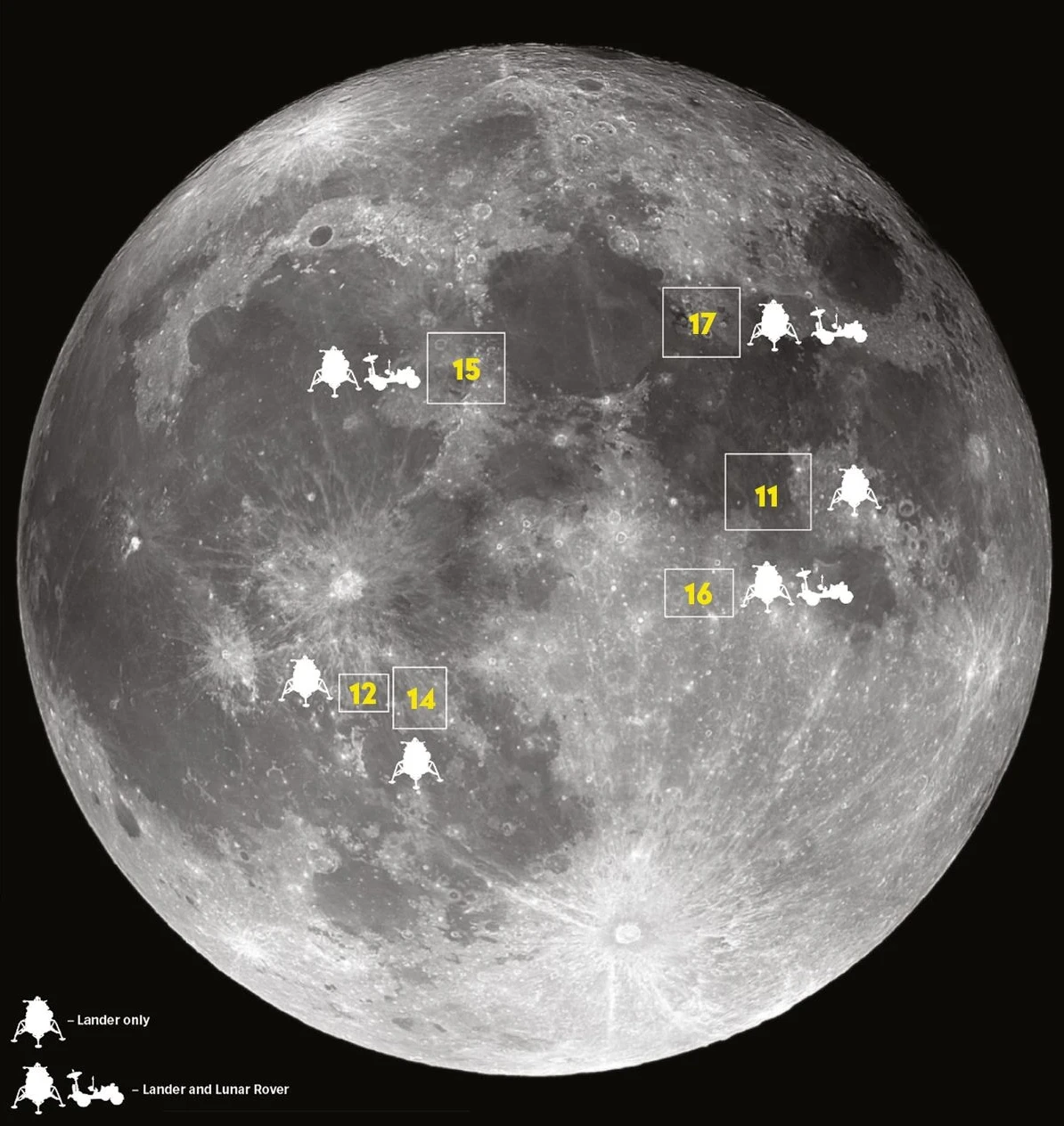 Map showing the locations of the Apollo landing sites.
Lunar landings top the list of iconic moments in space. Successfully touching down on the surface—by people or robots—remains a testament to human innovation and curiosity.
Apollo Moon Landings (United States)
- Apollo 11 (1969): Marking the first crewed Moon landing, Neil Armstrong and Buzz Aldrin spent over two unforgettable hours exploring the Sea of Tranquility while Michael Collins kept watch overhead. Armstrong’s words—”That’s one small step for man, one giant leap for mankind”—still give goosebumps worldwide.
- Apollo 12–17 (1969–1972): The later Apollo missions stretched lunar boundaries, with astronauts using rovers, exploring for days at a time, and collecting loads of rock samples. Landing sites like Fra Mauro (Apollo 14), Hadley Rille (Apollo 15), and Taurus-Littrow (Apollo 17) have become landmarks in space history.
Soviet Robotic Landings
As the U.S. zeroed in on sending people, Soviet Luna missions like Luna 16 and Luna 24 scored unmanned landings and even boasted automated sample returns, showing just how far robotic tech could reach.
Recent Soft Landings
- Chang’e Missions (China): China made history with the first landing on the Moon’s far side (Chang’e 4, 2019) and returned lunar samples with Chang’e 5 in 2020, using landers, rovers, and even launching seed experiments to test lunar agriculture.
- India and Israel: India achieved a gentle landing near the lunar south pole with Chandrayaan-3, making a giant leap forward for their space aims. Israel’s Beresheet lander by SpaceIL nearly made it, though a last-moment crash stopped a successful touchdown.
Proposed and Upcoming Moon Missions
I’m genuinely fired up about what’s coming next in the world of lunar exploration. Brand-new missions are on deck to dig into untouched territory and set the pace for an ongoing human presence on the Moon.
NASA’s Artemis Program
NASA is working hard to send astronauts back to the Moon with its Artemis program. Artemis I has already looped around the Moon without a crew, and Artemis II and III aim to carry astronauts, focusing on the lunar south pole, where valuable water ice may lie hidden.
Private and International Initiatives
- Commercial Landers: Up-and-coming companies like Astrobotic and Intuitive Machines, through NASA’s Commercial Lunar Payload Services, are preparing to deliver scientific gear and mini rovers to the Moon. Mapping new resources and testing new tech could smooth the way for setting up future lunar outposts.
- International Partnerships: Joint ventures like the Lunar Gateway—a small orbiting station—will serve as launching pads for long-term moon bases and Mars missions. The dream of living and working together beyond Earth is quickly moving from science fiction to reality.
- More Robotic Rovers: China and Russia are both in the process of planning ambitious robotic explorations, with missions meant to bring back even more samples, hunt for useful lunar resources, and get ready for eventually housing astronauts longer-term.
These planned missions prove the Moon is more than just an eye-catching object in the sky. Rather, it’s becoming a real target for scientific breakthroughs and potentially for off-Earth settlements, too.
What Makes Lunar Exploration so Interesting?
For me, the Moon offers the perfect blend of accessibility and mystery. It’s close—just three days by rocket—but still full of secrets. By digging into lunar geology, we learn about Earth’s story, the Solar System’s early days, and what we might face living off-world. Plus, resources like water ice could give a boost to missions aiming for Mars or deep space.
- Lunar Geology: The Moon’s rocks act as a time capsule for the Solar System, preserved from the effects of weather or plate motion that erase history back home.
- Technological Progress: Whether sending people or robots, every mission tests out fresh tech and strategies for even more daring adventures down the line.
- International Teamwork: Today, exploring the Moon has become a team effort, an example of how much we can achieve when countries work together.
Stumbling upon new secrets on the Moon isn’t just about reaching for the stars; it pushes everyone—scientists, engineers, and backyard skywatchers—to keep asking what’s possible now and in the future.
Frequently Asked Questions
What’s the difference between a lunar sea and a crater?
Maria (“seas”) are vast, flat plains created by ancient lava flows, while craters are round divots caused by incoming asteroids or comets. From Earth, the maria look darker, and craters stand out as lighter, circular spots.
Did only the U.S. land on the Moon?
The U.S. is still the only nation to have sent people to the Moon, but robotic landings have been successfully pulled off by the Soviet Union, China, and recently India. More nations keep joining the lunar club every decade.
What’s special about the lunar south pole?
The Moon’s south pole could hide water ice in its shadowed craters, and nearby peaks have almost unending sunlight, making it a top spot for setting up research outposts or future settlements.
Are there plans for people to live on the Moon?
Many space agencies are drawing up early plans for semi-permanent moon bases, with the south pole as a leading choice. For now, robots will prepare the groundwork, but longer human stays might not be too far out.
Tracking down new facts about the Moon opens fresh chapters in our understanding of space, and it’s an adventure I’m always happy to follow. Whether you’re just starting your own lunar research or simply skywatching from your backyard, there’s a world of mysteries waiting when you look up at our bright neighbor in the night sky.
Thank you for bringing together both the science and story of lunar exploration in such an accessible way! I’ve always looked up at the Moon as something beautiful in the night sky. But this article made me appreciate how much history it holds, from craters and maria that tell its ancient past to all the robotic and crewed missions that have expanded human knowledge.
I was especially intrigued to learn how countries like China and India are now contributing to lunar exploration alongside the historic Apollo missions, and how current and upcoming missions are looking at resources like water ice at the Moon’s poles.
May I ask, what part of the Moon’s future exploration excites you most: returning humans with Artemis, searching for lunar water, or perhaps the idea of someday having a long-term presence or research base up there?
Hello Alice and thank you for your comments.
Previously the exploration of Space was in the realm of the USA and the Soviet Union. But since the break up of the Soviet Union and financial restrictions been placed on NASA, there has been a move towards private companies exploring space. These private companies, along with the European Space Agency (ESA), China and India, have continued our exploration of Space.
These agencies are seriously looking to return men and women to the Moon in the not too distant future. NASA’s Artemus 2 mission is scheduled for launch in the next few weeks and it will take humans back to the vicinity of the Moon for the first time in over 50 years. A permeant landing is expected near 2028 and a permeant base established in the early 2030’s. Though this timeline could slip back depending on circumstances.
These bases are expected to be near the Moon’s South Pole as ice has been detected. This water ice can then be split into its two parts, Hydrogen for fuel and Oxygen for atmosphere.
I find that going back to the Moon to be exciting in itself. The thrill of exploring a new frontier excites me most.
Dave