One of the most common questions beginners ask is what you can see with a telescope once you begin exploring the night sky. The good news is that even small beginner telescopes can reveal impressive views of the Moon, planets and some of the brightest deep sky objects.
However, expectations are important. Telescopes do not usually show colourful NASA-style images with bright reds and blues. Real astronomy is more subtle, but seeing Saturn’s rings or Jupiter’s moons with your own eyes is an unforgettable experience.
What Beginners Expect vs Reality
Many people expect a telescope to show bright, detailed galaxies and colourful nebulae exactly like photographs online. In reality, most celestial objects appear softer and less colourful through amateur telescopes because cameras capture far more light than our eyes can detect.
That does not make observing disappointing. In fact, seeing real objects in space with your own eyes often feels far more impressive than viewing photographs.
Even beginner telescopes can show:
- The Moon’s craters and mountains
- Saturn’s rings
- Jupiter’s cloud bands and moons
- Bright nebulae
- Star clusters
- Some galaxies
What You Can See With A Small Telescope
The Moon
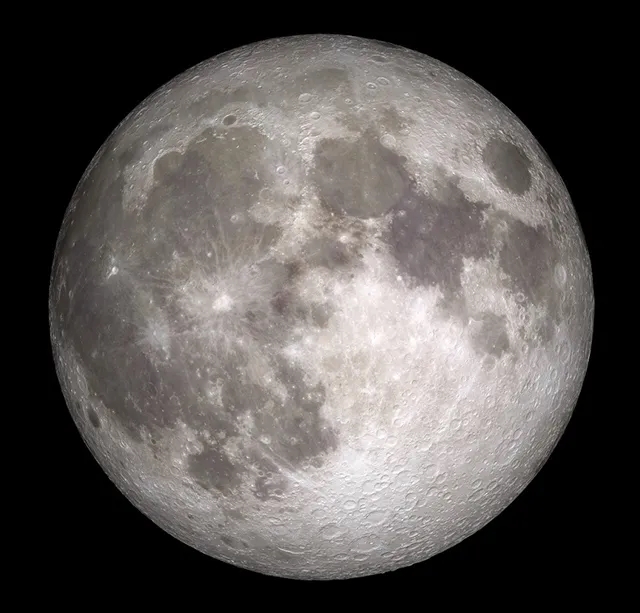
The Moon is one of the best objects for beginners. Even a small telescope reveals craters, mountain ranges and shadows across the lunar surface.
Views are especially impressive during partial Moon phases when shadows create strong detail along the lunar terminator.
Jupiter
Jupiter is one of the brightest and easiest planets to observe. A beginner telescope can show:
- Jupiter’s four largest moons
- Cloud bands across the planet
- The Great Red Spot during good conditions
Saturn
Seeing Saturn’s rings for the first time is a moment many amateur astronomers never forget. Even small telescopes clearly separate the rings from the planet itself.
Larger telescopes reveal more detail within the ring system.
Venus
Venus displays phases similar to the Moon. Although surface details are hidden beneath thick clouds, watching Venus change shape over time is fascinating.
Star Clusters
Open star clusters such as the Pleiades look beautiful through beginner telescopes and binoculars. Globular clusters also become visible under darker skies.
You can also explore many objects while learning how to identify constellations in the night sky.
What You Need To See Deep Sky Objects
Deep sky objects include galaxies, nebulae and distant star clusters. These are usually fainter and require darker skies for the best viewing.
To improve deep sky observing:
- Observe away from city lights
- Allow your eyes time to adjust to darkness
- Use lower magnification eyepieces
- Choose nights with clear atmospheric conditions
Binoculars are also surprisingly effective for observing brighter deep sky objects.
You can browse our recommended astronomy binoculars here.
How Light Pollution Affects Telescope Viewing
Light pollution is one of the biggest challenges in amateur astronomy. Bright city lights reduce contrast and make faint objects harder to see.
Planets and the Moon are still visible from urban locations, but galaxies and nebulae become far more impressive under dark rural skies.
Even driving 20–30 minutes away from a city can dramatically improve visibility.
Do Expensive Telescopes Show More?
Generally, yes. Larger telescopes collect more light, which improves brightness and detail.
However, expensive telescopes also:
- Require more setup
- Can be heavier and less portable
- May feel overwhelming for beginners
Many beginners actually get more use from smaller telescopes because they are quick and easy to set up.
A simple telescope used regularly is better than a complex one left indoors.
Best Telescope Types For Beginners
Dobsonian Telescopes
Dobsonian telescopes are extremely popular for beginners because they are easy to use and provide large apertures for the price.
Refractor Telescopes
Refractors are low maintenance and excellent for viewing the Moon and planets.
Reflector Telescopes
Reflectors provide strong deep sky performance at affordable prices and are common among amateur astronomers.
You can browse our recommended beginner telescopes here.
Useful Telescope Accessories
Accessories can improve observing comfort and image quality significantly.
Different eyepieces allow different magnification levels, while filters can improve contrast for lunar and planetary observing.
Frequently Asked Questions
Can you see galaxies with a beginner telescope?
Yes. Bright galaxies such as Andromeda are visible with beginner telescopes under dark skies.
Can you see colour through a telescope?
Some colour is visible on planets and bright stars, but most nebulae and galaxies appear greyish to the human eye.
What is the easiest planet to see?
Jupiter and Saturn are usually the easiest and most rewarding planets for beginners.
Do I need expensive equipment to enjoy astronomy?
No. Many beginners start with binoculars or small telescopes and still enjoy incredible views of the night sky.
Final Thoughts
Even a small telescope can reveal an amazing amount of detail in the night sky. From the Moon’s craters to Saturn’s rings and distant star clusters, astronomy quickly becomes one of the most rewarding hobbies you can experience.
The key is to start simple, learn the sky gradually and enjoy the process of discovering new objects over time. With patience and practice, every observing session becomes more rewarding.