
Best planets to observe with a telescope are often the brightest and most rewarding objects in the night sky for beginner astronomers. From Saturn’s stunning rings to Jupiter’s cloud bands and moons, planetary observing offers incredible views even with modest equipment. Learning which planets are easiest to observe and when to view them can make stargazing far more enjoyable and help beginners get the most from their telescope.
Why Planetary Observing Is So Popular
Planetary observing is one of the easiest ways to get started in astronomy. Unlike faint galaxies or nebulae, planets are bright, easy to locate, and constantly changing throughout the year. Even small beginner telescopes can reveal remarkable details that simply aren’t visible with the naked eye.
One of the biggest reasons people become interested in astronomy is the first time they see Saturn’s rings or Jupiter’s moons through a telescope. These views feel incredibly real because you’re looking directly at another world in our Solar System.
Planetary viewing is also perfect for city skies where light pollution makes deep-sky observing more difficult. Since planets are so bright, they remain visible even from suburban back gardens and towns.
If you’re just starting out, choosing the right telescope can make a huge difference in your viewing experience. Beginner-friendly telescopes are often more than capable of showing impressive planetary detail.
You can browse our recommended beginner telescopes here.You can browse our recommended beginner telescopes here.
Mercury
Mercury is the closest planet to the Sun and one of the trickiest planets to observe. Because it stays close to the horizon, it’s usually only visible shortly after sunset or before sunrise.
Although Mercury appears small through most telescopes, careful observers can sometimes see its changing phases, much like the Moon. These phases were one of the discoveries that helped astronomers understand how planets orbit the Sun.
The best time to observe Mercury is during what astronomers call “greatest elongation,” when the planet appears furthest from the Sun in the sky. A clear western or eastern horizon is essential for spotting it successfully.
Because Mercury is so low in the sky, atmospheric turbulence often affects the view. Even so, spotting the Solar System’s innermost planet is always rewarding.
Venus
Venus is one of the brightest objects in the night sky and is often called the “Morning Star” or “Evening Star.” Through a telescope, Venus displays clear phases that change over time.
Many beginners expect to see cloud detail on Venus, but the thick atmosphere covering the planet hides the surface completely. Instead, the most interesting feature is watching its crescent and gibbous phases change week by week.
Venus can become extremely bright, especially through larger telescopes. Moon and planetary filters can sometimes improve comfort and reduce glare during observation. You can browse astronomy filters here.
Because Venus remains close to the Sun, it is safest to observe shortly after sunset or before sunrise. Never point a telescope near the Sun without proper solar protection.
Mars

Mars becomes one of the most exciting planets to observe whenever it approaches Earth during opposition. At these times, the Red Planet appears larger and brighter than usual.
Through a telescope, Mars can reveal:
- polar ice caps
- dark surface markings
- seasonal colour changes
- occasional dust storms
However, Mars is also one of the more challenging planets because its apparent size changes dramatically. During some years it appears disappointingly small, while during favourable oppositions it becomes much more detailed.
Using higher-quality eyepieces can help bring out finer Martian surface detail during steady atmospheric conditions. See our recommended telescope eyepieces here.
The best time to observe Mars is during opposition, which happens roughly every two years.
Jupiter

Jupiter is arguably the best planet to observe with a telescope for beginners. It is large, bright, and packed with visible detail.
Even small telescopes can easily show:
- the four Galilean moons
- cloud bands
- the planet’s oval shape
Larger telescopes may also reveal:
- the Great Red Spot
- additional cloud detail
- moon shadow transits
- subtle colour variations
One of the most fascinating things about Jupiter is how quickly it changes. Because the planet rotates in under ten hours, cloud patterns and moon positions constantly shift.
Jupiter is also an excellent target for beginner astrophotography. Many amateur astronomers start planetary imaging with Jupiter before moving on to more advanced deep-sky photography.
Saturn
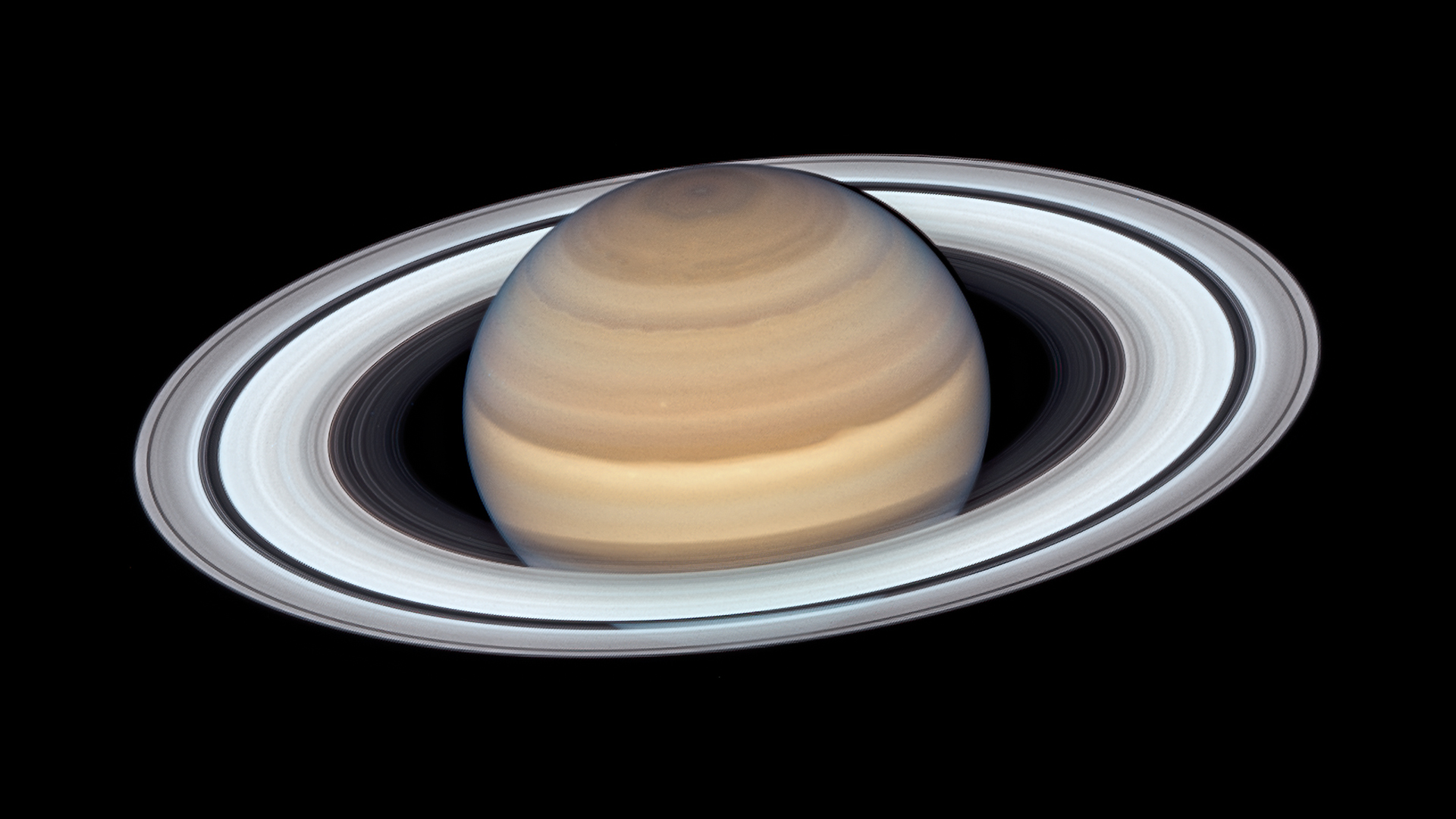
For many people, Saturn is the most breathtaking object visible through a telescope. Seeing the rings for the first time is often the moment astronomy truly becomes addictive.
Even modest telescopes can clearly show:
- Saturn’s rings
- the gap between the planet and rings
- Titan, Saturn’s largest moon
Larger instruments may reveal:
- the Cassini Division
- subtle cloud bands
- additional moons
Saturn’s appearance changes slowly over time because the tilt of the rings shifts during its orbit around the Sun. Some years the rings appear wide open, while at other times they look thinner edge-on.
Stable atmospheric conditions are extremely important when observing Saturn. Calm nights usually produce the sharpest and most memorable views.
Uranus And Neptune
Uranus and Neptune are much more difficult to observe than the brighter planets. Both appear small and faint through most amateur telescopes.
Uranus usually looks like a tiny pale green disc, while Neptune appears slightly bluish. Observing them successfully often requires:
- darker skies
- higher magnification
- accurate star charts
- patience
Although these distant ice giants don’t show much detail visually, many observers enjoy the challenge of locating them. Seeing planets billions of kilometres away adds another level of appreciation for the scale of our Solar System.
What Equipment Helps With Planet Viewing?
Choosing the right equipment can improve planetary observing dramatically.
Telescopes
Refractor telescopes are excellent for sharp planetary views, while reflector telescopes often provide larger apertures for brighter images.
Dobsonian telescopes are especially popular among beginners because they offer large mirrors at affordable prices.
Eyepieces
Eyepieces greatly affect magnification and image quality. Higher magnifications can reveal more detail, but only when atmospheric conditions are stable.
Quality eyepieces often provide:
- sharper images
- better contrast
- wider viewing comfort
Filters
Planetary filters can improve contrast and reduce glare. Some filters help reveal:
- Jupiter’s cloud bands
- Martian surface markings
- lunar detail
- Saturn’s atmospheric features
Binoculars
Although telescopes provide the best planetary detail, binoculars are still useful for locating planets and learning the night sky. They’re also ideal for beginners who want a simpler introduction to astronomy. See our recommended astronomy binoculars here.
Tips For Better Planetary Observing
A few simple habits can improve your views significantly.
Allow Your Telescope To Cool
Telescopes need time to match outdoor temperatures. Warm air trapped inside the tube can blur images.
Observe When Planets Are Highest
Planets appear sharper when they’re higher in the sky because you’re looking through less atmosphere.
Be Patient
Planetary detail often appears during brief moments of steady air. Spending longer at the eyepiece usually rewards patient observers.
Use Moderate Magnification
Too much magnification can actually make images worse. Start lower and increase slowly depending on conditions.
Track Planetary Events
Moon transits on Jupiter, Saturn ring angles, and Mars oppositions all make observing far more exciting.
Frequently Asked Questions
What is the easiest planet to observe with a telescope?
Jupiter is usually the easiest and most rewarding planet for beginners because it’s bright and shows lots of detail.
Can you see Saturn’s rings with a beginner telescope?
Yes. Even small beginner telescopes can clearly reveal Saturn’s rings under good conditions.
Do I need an expensive telescope to see planets?
No. Many affordable beginner telescopes can show impressive planetary detail.
What magnification is best for planets?
Moderate magnification usually works best. Around 100x to 200x is ideal for many beginner telescopes.
Are binoculars good for observing planets?
Binoculars can help locate planets and show Jupiter’s moons, but telescopes reveal much more detail.
Wrapping Up
Planetary observing is one of the most exciting parts of amateur astronomy. Whether you’re watching Jupiter’s moons dance around the planet, admiring Saturn’s rings, or tracking Mars during opposition, the Solar System offers endless opportunities for discovery.
The best planets to observe with a telescope don’t always require expensive equipment or perfect dark skies. With patience, practice, and the right setup, even beginner astronomers can enjoy incredible views from their own back garden.
As your experience grows, you’ll begin noticing finer details, learning planetary movements, and appreciating just how dynamic our Solar System truly is. Every clear night offers something different, making planetary observing a hobby that never really gets old.