Astrophotography is one of the most rewarding parts of amateur astronomy. A camera can reveal detail and colour that our eyes often cannot see through the telescope, from the craters and mountains of the Moon to faint nebulae and star fields far beyond our Solar System.
The photographs in this gallery have been taken during my own journey through astronomy and astrophotography. They include images taken with different cameras, lenses and telescopes, ranging from simple lunar photographs to tracked and stacked deep-sky images.
They are not intended to demonstrate perfect astrophotography. Instead, I hope they show what can be achieved as you learn, experiment with your equipment and gradually improve your technique. Some images worked better than others — and, as every astrophotographer soon discovers, learning from the ones that didn’t quite work is part of the experience.
Where the information is available, I have included some of the equipment, camera settings and processing details used to produce the photograph.
From Our Observatory
Every photograph in this gallery was taken as part of our own observing and astrophotography sessions. New images will be added as the gallery grows.
The Moon
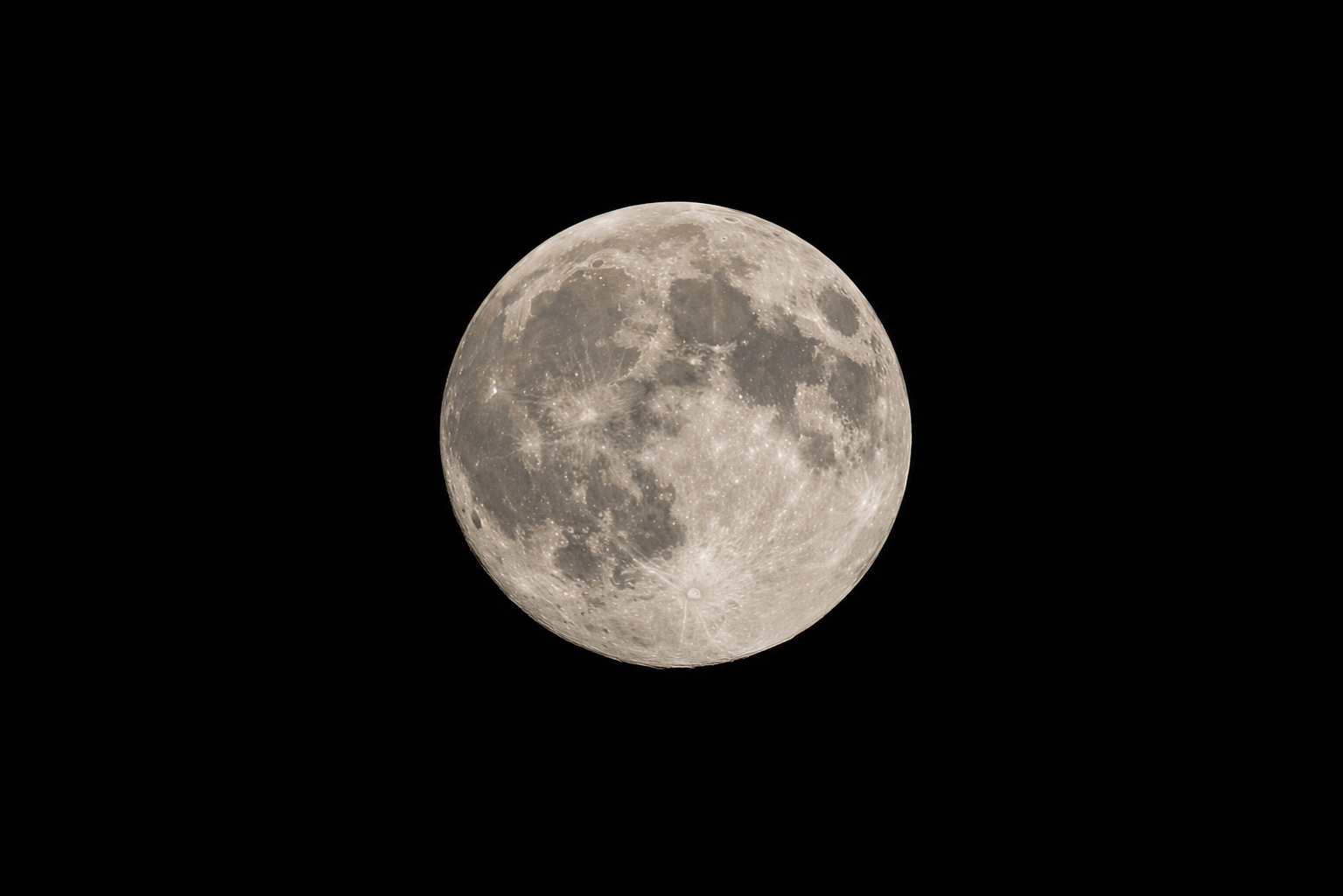
The Moon is an excellent place to begin astrophotography. Its brightness makes it relatively easy to photograph, while its constantly changing phase, shadows and surface features mean that no two observing sessions are quite the same.
|
|
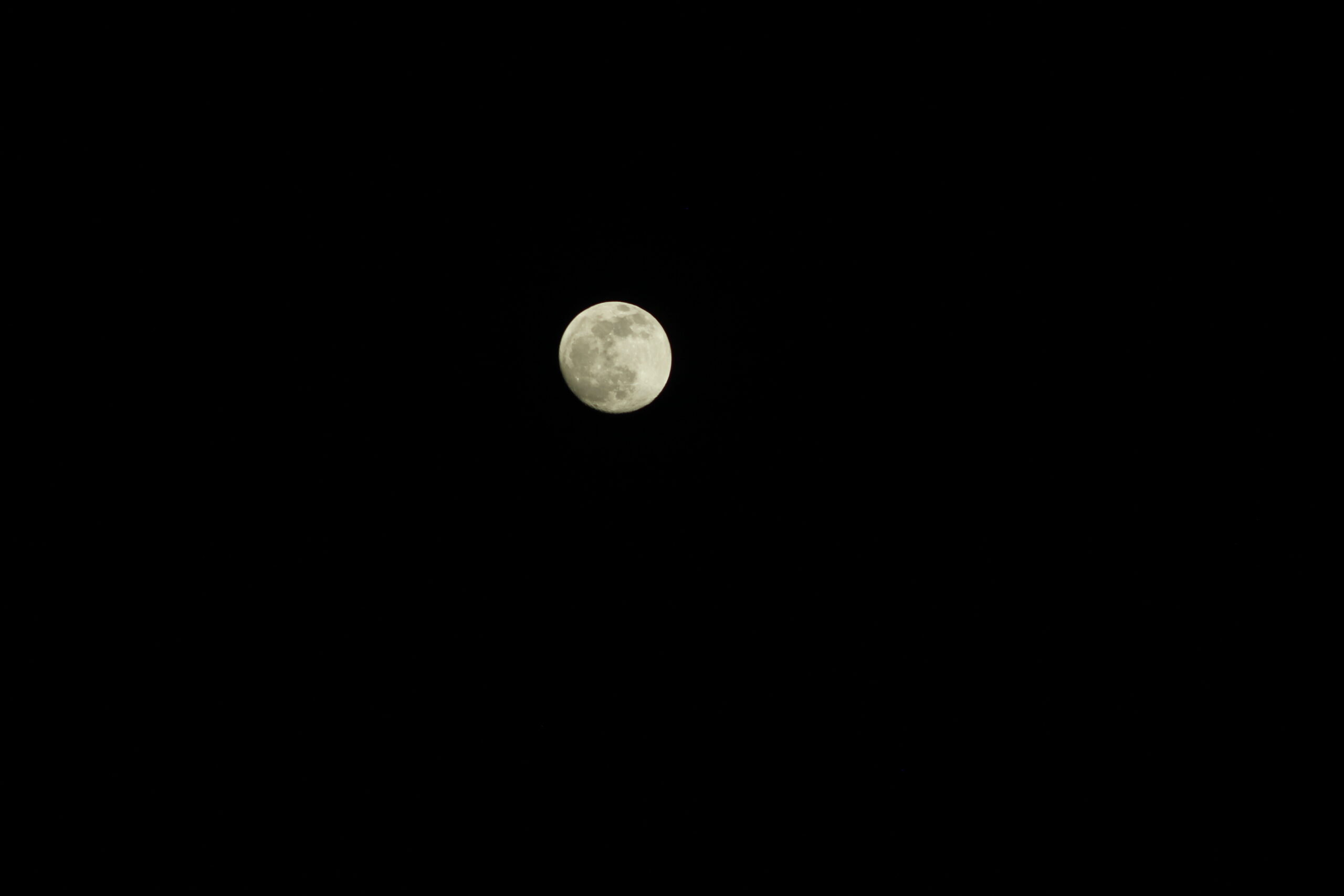
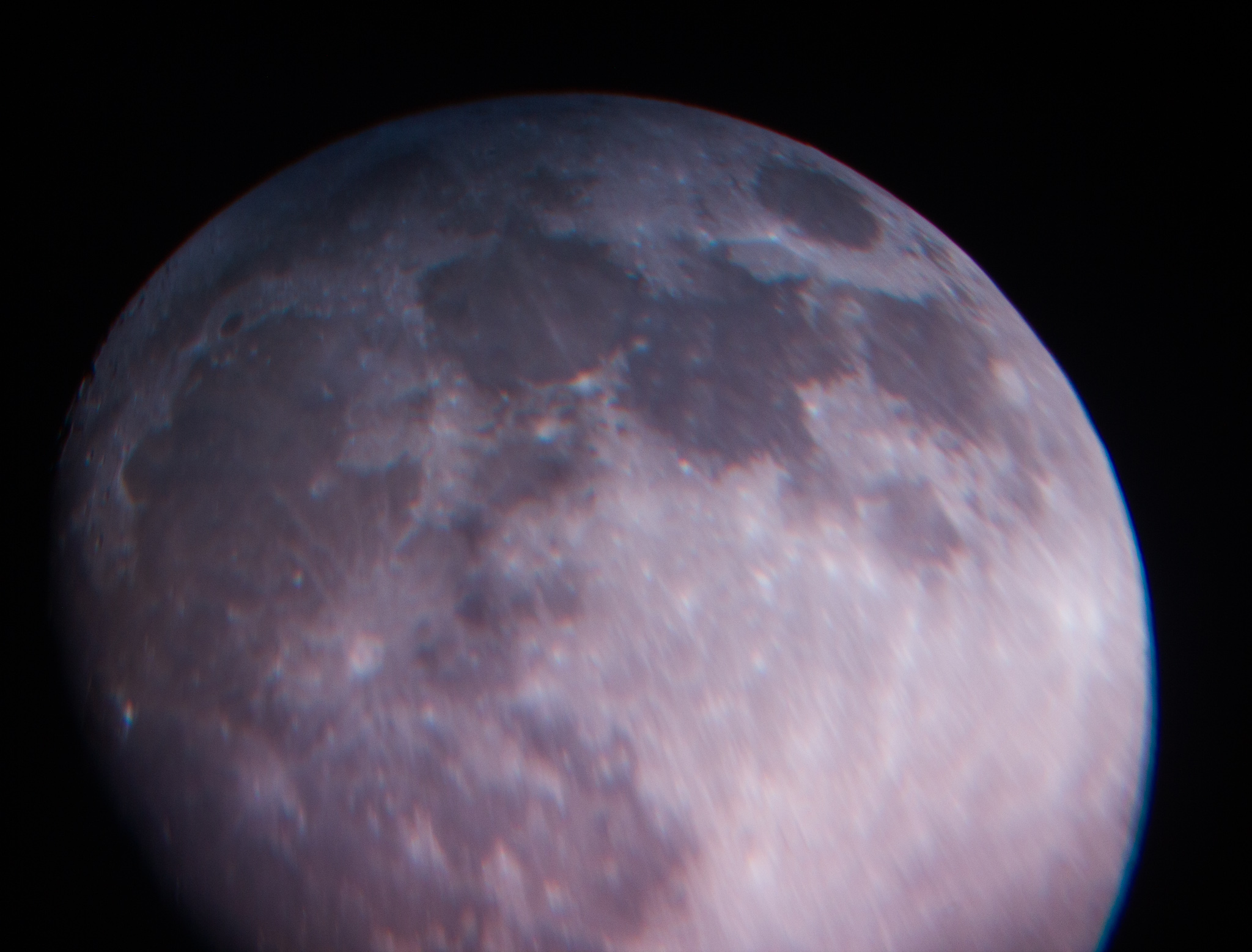
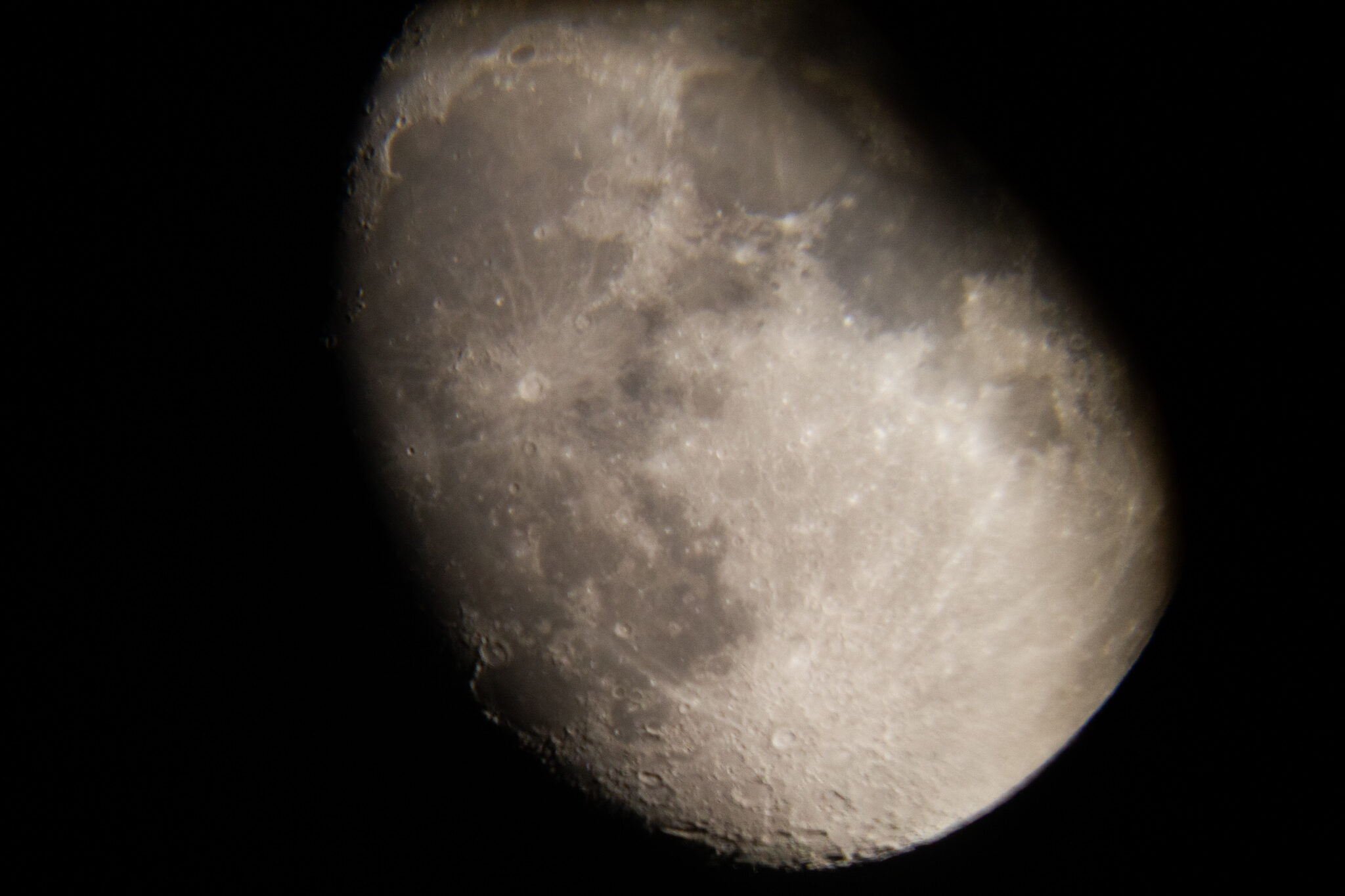
Lunar Eclipse — 28 August 2026
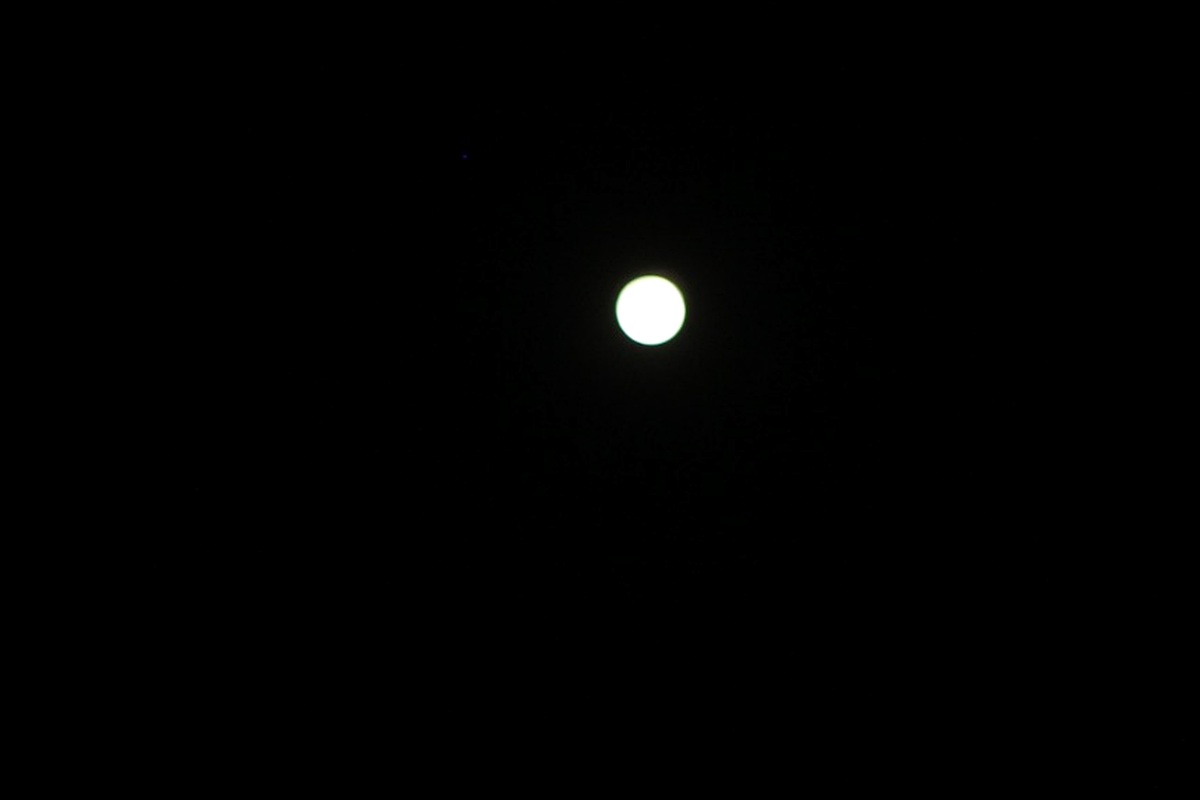
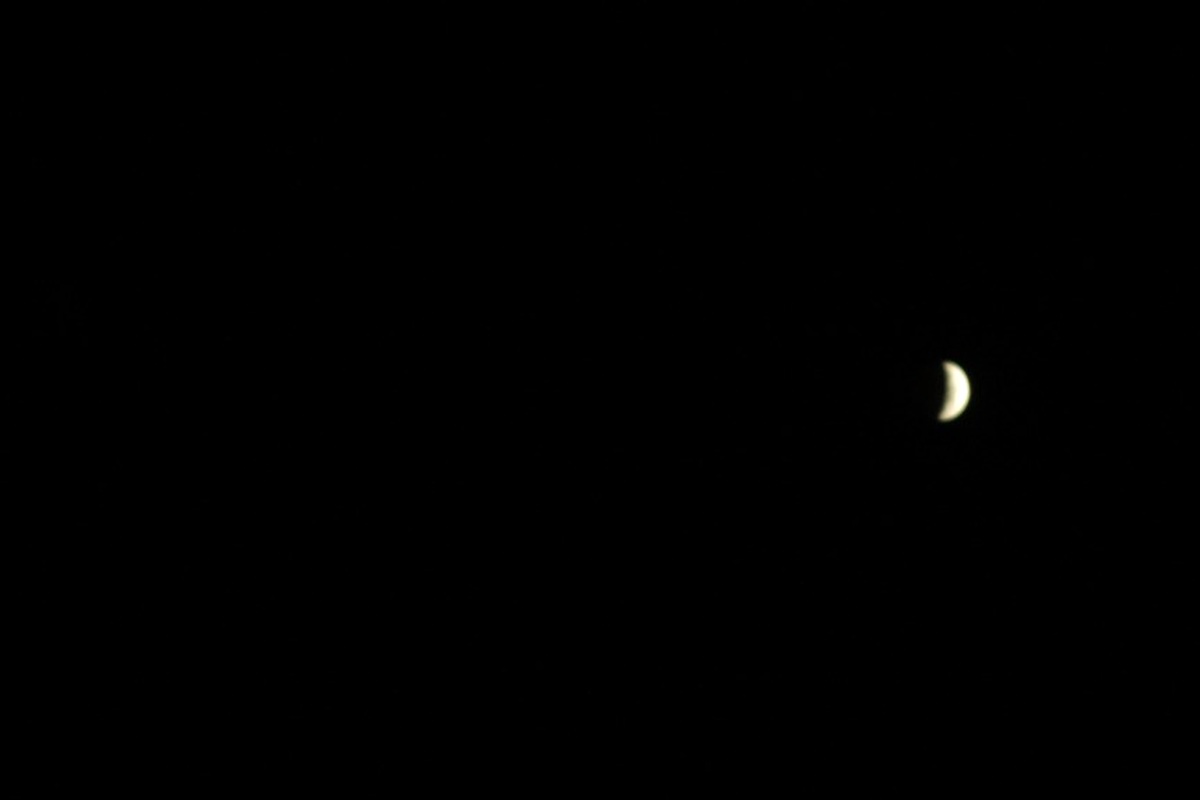
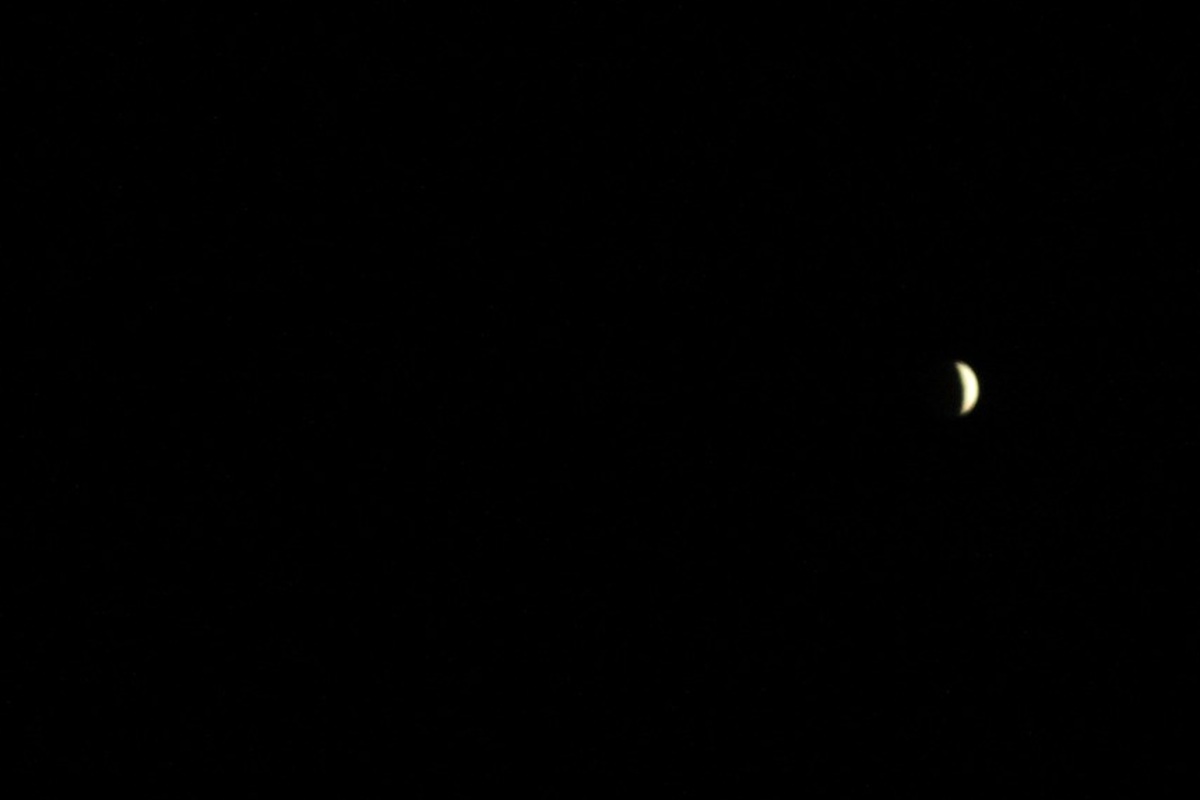
These photographs were taken during the lunar eclipse of 28 August 2026.
The session was affected by changing conditions, including gusty wind and
cloud, but the sequence still records the changing appearance of the Moon
during the event.
Rather than trying to make every image look perfect, I have kept the
processing restrained so the photographs remain representative of what
was actually captured during the observing session.
|
|
|
Observing note:
Lunar eclipse photography can be surprisingly demanding. As the brightness
of the Moon changes, exposure settings may need to be adjusted repeatedly.
Wind, cloud and atmospheric conditions can also make a noticeable difference
from one image to the next.