Partial Solar Eclipse – 12 August 2026
August 2026 Edition — Eclipses and Summer Skies
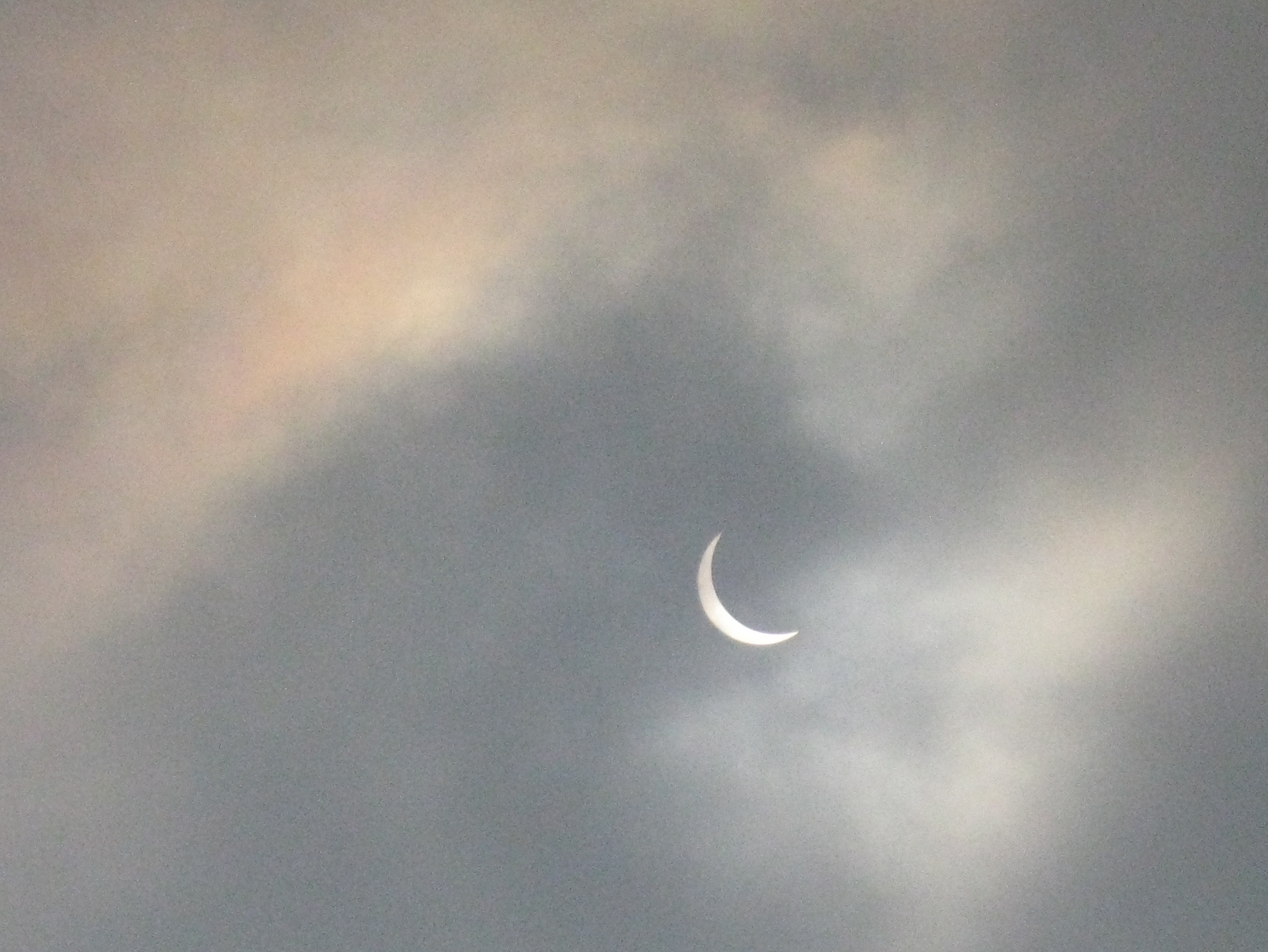
On Wednesday, 12 August 2026, skywatchers across the United Kingdom will have the opportunity to witness one of nature’s most captivating astronomical events—a partial solar eclipse. Although the Moon will not completely cover the Sun, it will take a noticeable “bite” from the solar disc, creating a remarkable spectacle that can be safely enjoyed with the correct solar viewing equipment.
Whether you are an experienced observer or seeing your first eclipse, this event provides an excellent opportunity to learn more about the changing positions of the Earth, Moon and Sun. In this guide, we’ll explain what causes a partial solar eclipse, when to observe it, how to watch it safely, and what you can expect to see from different parts of the United Kingdom.
What You’ll Learn
- ✔ What a partial solar eclipse is and why it occurs.
- ✔ When the eclipse will be visible across the United Kingdom.
- ✔ Which parts of the country will enjoy the best view.
- ✔ How to observe the eclipse safely using approved solar equipment.
- ✔ What you can expect to see during the different stages of the eclipse.
- ✔ Tips for making the most of this memorable astronomical event.
What Is a Partial Solar Eclipse?
A partial solar eclipse occurs when the Moon passes between the Earth and the Sun but does not completely cover the Sun’s disc. Instead, the Moon appears to take a curved “bite” from the Sun, leaving part of the bright solar surface still visible.
Although the alignment is not perfect enough to produce a total eclipse, a partial eclipse is still an impressive astronomical event. The exact amount of the Sun covered depends on where you are observing from. Some locations will see only a small portion of the Sun obscured, while others may experience a much deeper eclipse.
The eclipse on 12 August 2026 will be visible across much of the United Kingdom, although the extent of the eclipse will vary from region to region. Wherever you observe from, it is essential to remember that the Sun remains dangerously bright throughout the event and must never be viewed directly without suitable solar filters.
When Will the Eclipse Happen?
The partial solar eclipse will take place on Wednesday, 12 August 2026. It will be visible from much of Europe, including the whole of the United Kingdom, weather permitting. As the Moon slowly moves across part of the Sun’s face, observers will be able to follow the eclipse from its first contact through to its maximum phase before the Sun gradually returns to its normal appearance.
Because the Earth is rotating while the eclipse is taking place, the exact viewing times and the amount of the Sun covered will vary depending on your location. The greatest coverage in the United Kingdom will generally be seen in the south-western and western parts of the country, although the differences between many locations will be relatively small.
Later in this guide you’ll find a summary of the key eclipse timings, together with advice on where to look, what equipment to use and, most importantly, how to observe the Sun safely.
Where Will the Eclipse Be Visible?
The partial solar eclipse will be visible from all parts of the United Kingdom, provided the weather cooperates. Although everyone across the UK will have the opportunity to observe the event, the amount of the Sun covered by the Moon will vary depending on your location.
The deepest partial eclipse will generally be seen from the western and south-western parts of the United Kingdom. Cardiff is expected to experience approximately 93.2% obscuration, while Belfast will see about 93.1%. Edinburgh and Glasgow will experience slightly less coverage, at around 92%. Although the differences are relatively small, western locations will be better placed to see a larger proportion of the Sun covered by the Moon.
Similar views will also be available across much of northern Europe. If you happen to be travelling during the eclipse, it’s worth checking local predictions for your exact location, as the eclipse magnitude changes gradually across the continent.
Eclipse at a Glance
| Date | Wednesday, 12 August 2026 |
|---|---|
| Type | Partial Solar Eclipse |
| Visible From | Entire United Kingdom (weather permitting) |
| Best UK Viewing | Western and south-western parts of the UK |
| Eye Protection | ISO 12312-2 certified solar viewing glasses or an approved solar filter are essential. |
| Naked-Eye Viewing | Never look directly at the Sun without approved solar protection. |
| Photography | Use a certified solar filter on cameras, telescopes and binoculars at all times. |
Observing the Eclipse Safely
Although a partial solar eclipse is a spectacular event, it is also one that must be observed with great care. Looking directly at the Sun without suitable eye protection can cause permanent eye damage, even when much of the Sun is covered by the Moon. There is no stage during a partial solar eclipse when it is safe to look directly at the Sun with the naked eye.
The safest way to observe the eclipse is by wearing eclipse glasses that comply with the international ISO 12312-2 safety standard. If you plan to use binoculars, a telescope or a camera, these must be fitted with a correctly designed solar filter placed securely over the front of the instrument before pointing it towards the Sun.
Never use ordinary sunglasses, smoked glass, exposed photographic film, CDs, DVDs or improvised filters. These do not provide adequate protection from the Sun’s harmful radiation and should never be relied upon for solar observing.
If you are observing with children, adult supervision is essential at all times. A little preparation will ensure that everyone can enjoy this fascinating event safely.
How to Watch Without a Telescope
One of the best things about a partial solar eclipse is that you do not need a telescope to enjoy it. In fact, many observers choose to watch using certified eclipse glasses, which provide a safe and impressive view of the Moon gradually covering part of the Sun.
If you don’t have eclipse glasses, you can still experience the event indirectly by using a simple pinhole projector. This projects an image of the eclipsed Sun onto a sheet of white paper or another flat surface, allowing you to follow the eclipse safely without ever looking directly at the Sun.
For those with telescopes or binoculars, approved solar filters fitted securely over the front of the instrument will reveal much finer detail, including the sharply defined edge of the Moon as it moves across the Sun’s disc. Never use an optical instrument to observe the Sun unless it is fitted with a suitable solar filter designed specifically for that purpose.
Planning Your Eclipse Observation
A little preparation can make the difference between a memorable observing session and a disappointing one. Check the weather forecast several days before the eclipse, but remember that forecasts can change quickly. If conditions look poor, consider travelling to a nearby location where clearer skies are predicted.
Choose an observing site with a clear, unobstructed view of the Sun during the eclipse. Open spaces such as parks, hilltops and coastal locations often provide excellent viewing opportunities. Arriving early will give you time to set up your equipment, become familiar with your surroundings and enjoy the anticipation as the eclipse begins.
If you plan to photograph the eclipse, test all of your equipment beforehand and make certain that a suitable solar filter is securely fitted over the front of the camera lens. Smartphone cameras also require protection. Use a purpose-made smartphone solar filter or securely mounted solar-filter film that completely covers every camera lens the phone may use. Never point an unfiltered phone, camera, telescope or binoculars directly at the Sun. It is also worth taking a few moments simply to enjoy the event through approved eclipse glasses rather than spending the entire eclipse looking at a screen.
Editor’s Observation Tip
Try to arrive at your observing location at least 30 minutes before the eclipse begins. This gives you time to set up your equipment, check your solar filters, and become familiar with your surroundings without feeling rushed. Most importantly, don’t spend the entire eclipse behind a camera. Take time to enjoy the experience yourself—it may be several years before another eclipse of this magnitude is visible from the United Kingdom.
Conclusion
The partial solar eclipse of 12 August 2026 promises to be one of the year’s most memorable astronomical events for observers across the United Kingdom. Whether you watch with certified eclipse glasses, a properly filtered telescope or by using a simple pinhole projector, taking the time to observe the eclipse safely will reward you with a fascinating demonstration of the ever-changing relationship between the Earth, Moon and Sun.
With a little preparation, suitable eye protection and hopefully clear skies, this is an event that can be enjoyed by the whole family. It may only last a short time, but for many people it will provide memories that last a lifetime and perhaps inspire a deeper interest in astronomy.
However you choose to observe, we hope this guide has helped you prepare for a safe and enjoyable eclipse. Clear skies, and enjoy the experience!